

More purchase prices

Top 10 · Applications & weights

Where particularly large quantities of neodymium magnets are used

Original applications, documented mass data and traceable sources for wind power, MRI systems, drives, robotics and mobility.

Open the Top 10WhatsApp
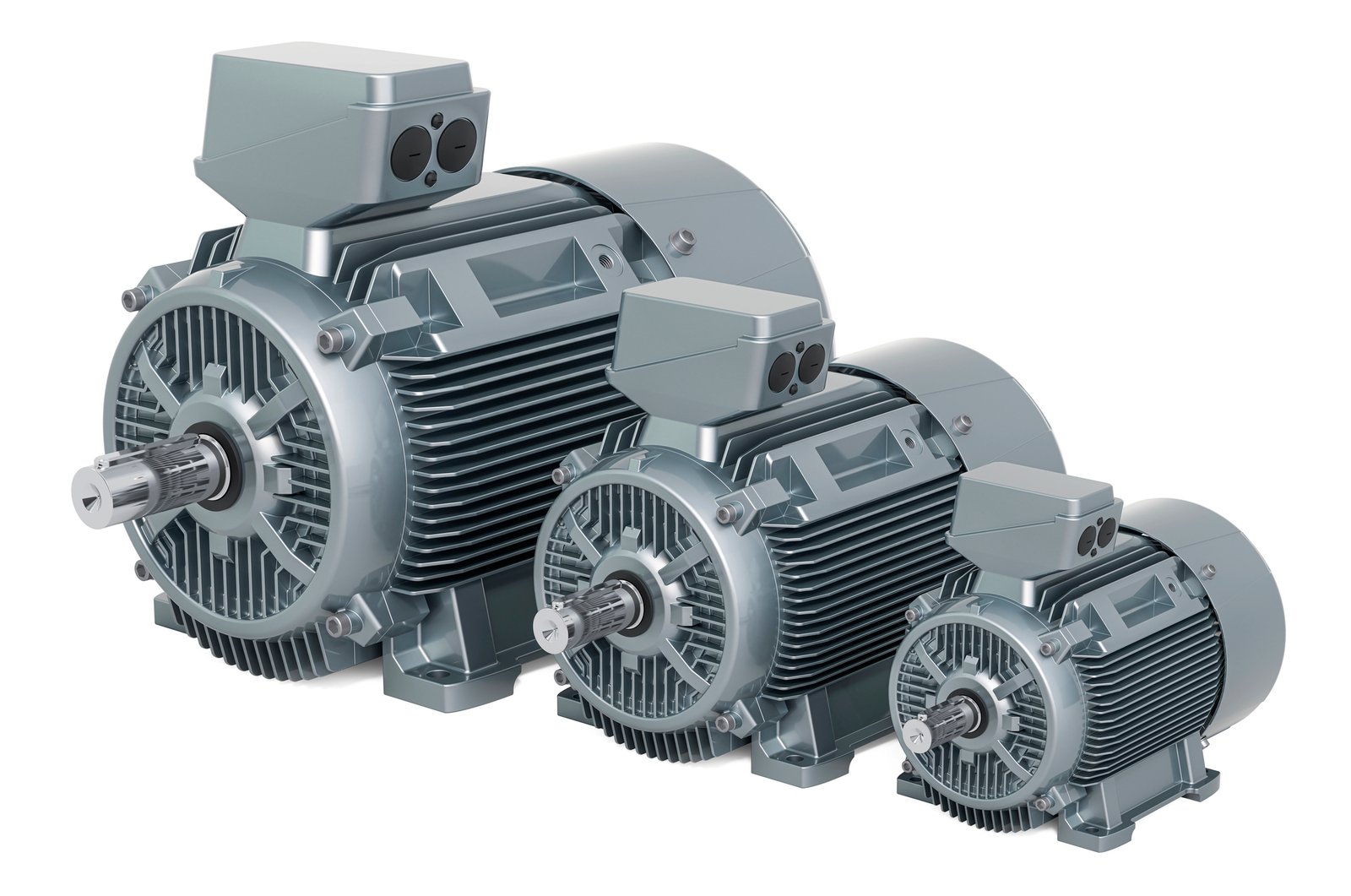
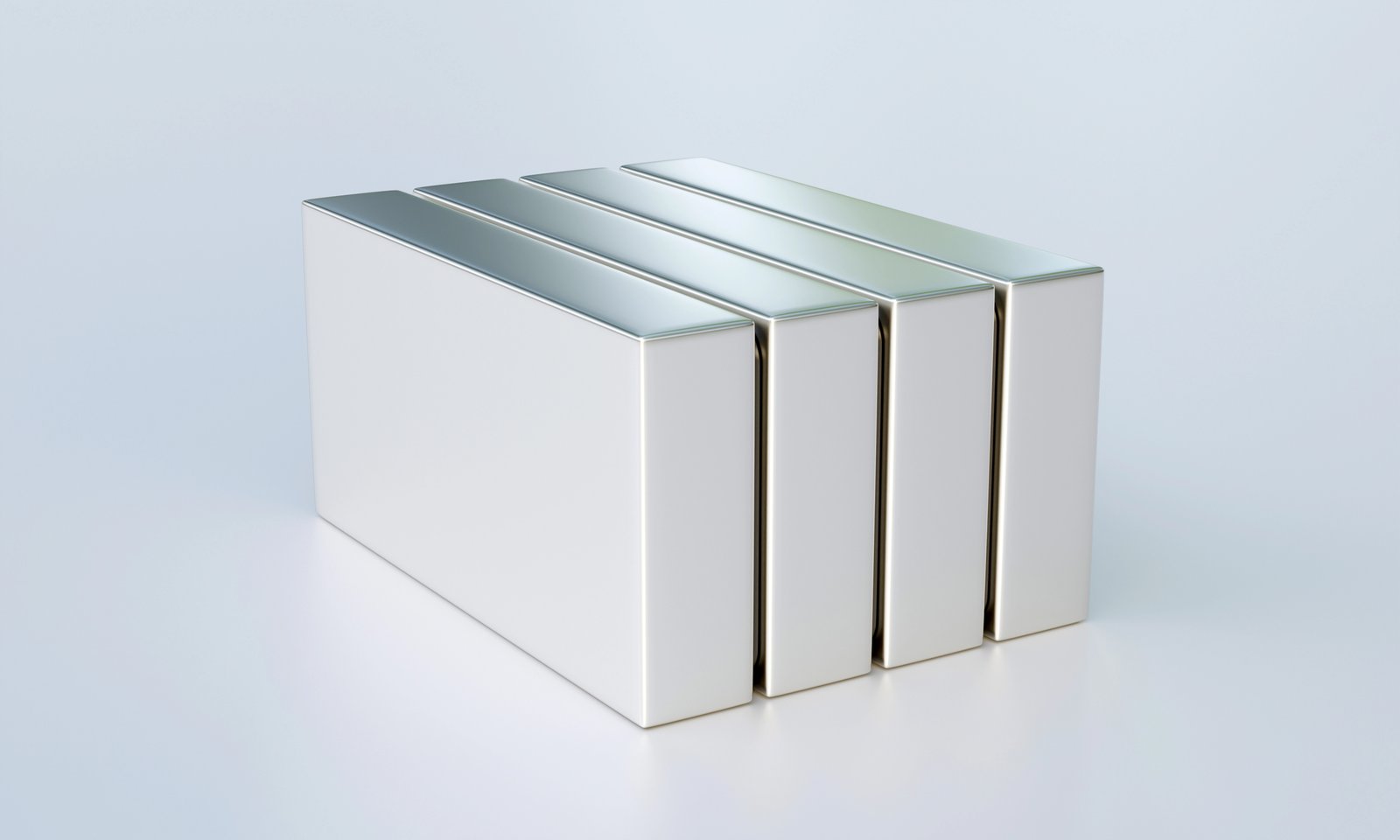
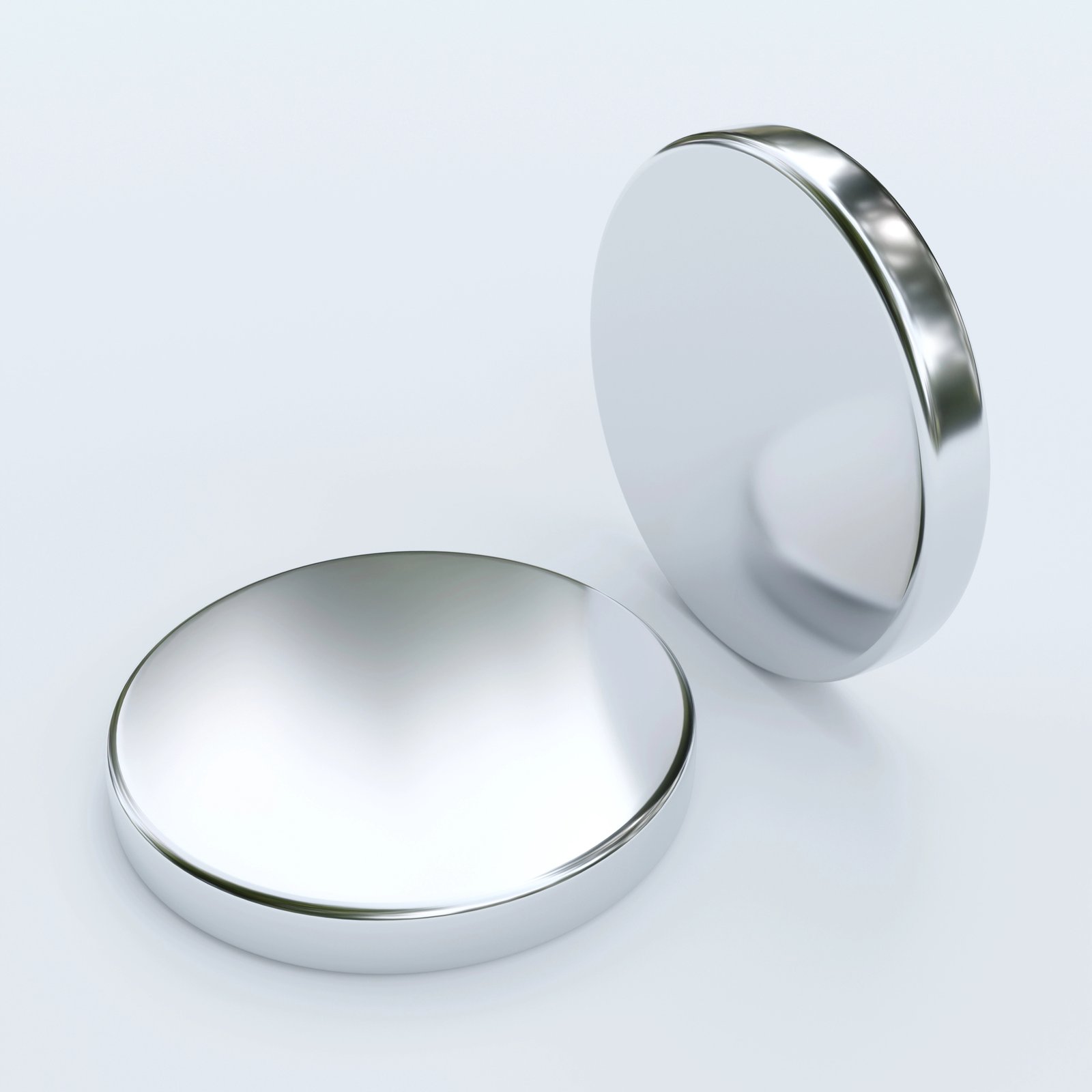
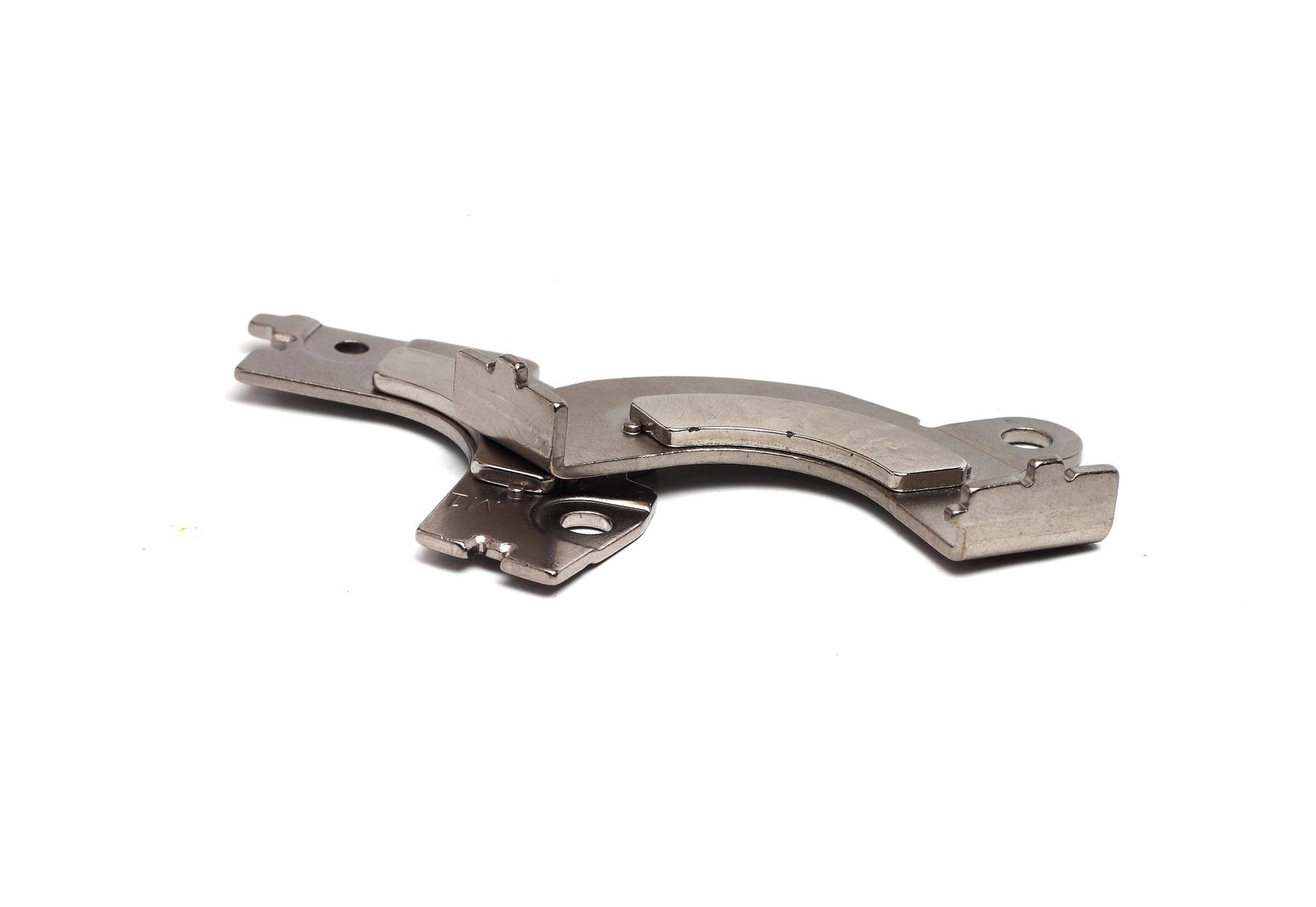
Loose rectangular neodymium magnetsClearly identified magnet shapesRecord block, ring, disc and segment magnets separately.Disc-shaped neodymium magnetsQuantity & conditionDocument the net weight, coating and contaminants.Removed HDD magnet assemblyTechnical applicationsThe original application and nameplate help with the initial assessment.Electric motors as a source of NdFeB magnetsIndustrial applicationsIdentify and describe motors, generators and production lots.

Request a purchase quote

  • Material-specific assessment
  • Clear follow-up questions
  • Agreed shipping arrangements

Top 10 · quantities & installation locations

Which applications contain the largest quantities of neodymium magnets?

This limited reference comparison covers documented magnet quantities in wind turbines, permanent-magnet MRI systems, industrial drives, robotics, electric mobility, pumps, HVAC and servo technology. The system boundary, type of evidence and limitations are stated alongside each value.

Important context for the ordering

The categories use different system boundaries. The 15-MW wind-turbine figure is calculated using a literature factor, the hybrid figure comes from a teardown, and the pump figure comes from generic literature. The list is therefore not a like-for-like market ranking.

Offshore wind turbine used as a representative image of large permanent-magnet generators01
B-Ctransparent calculation

Wind turbine with a direct-drive PMSG

3,250 kgto 9,750 kgNdFeB per 5- to 15-MW reference turbine

Where are they used? In the permanent-magnet generator, typically as magnet segments on the rotor. The drivetrain and generator design determine whether the main generator contains any NdFeB at all.

These are calculated figures for a documented generator topology, not a manufacturer's bill of materials, and they cannot be applied to every wind turbine.

Image: Wikimedia Commons · CC0
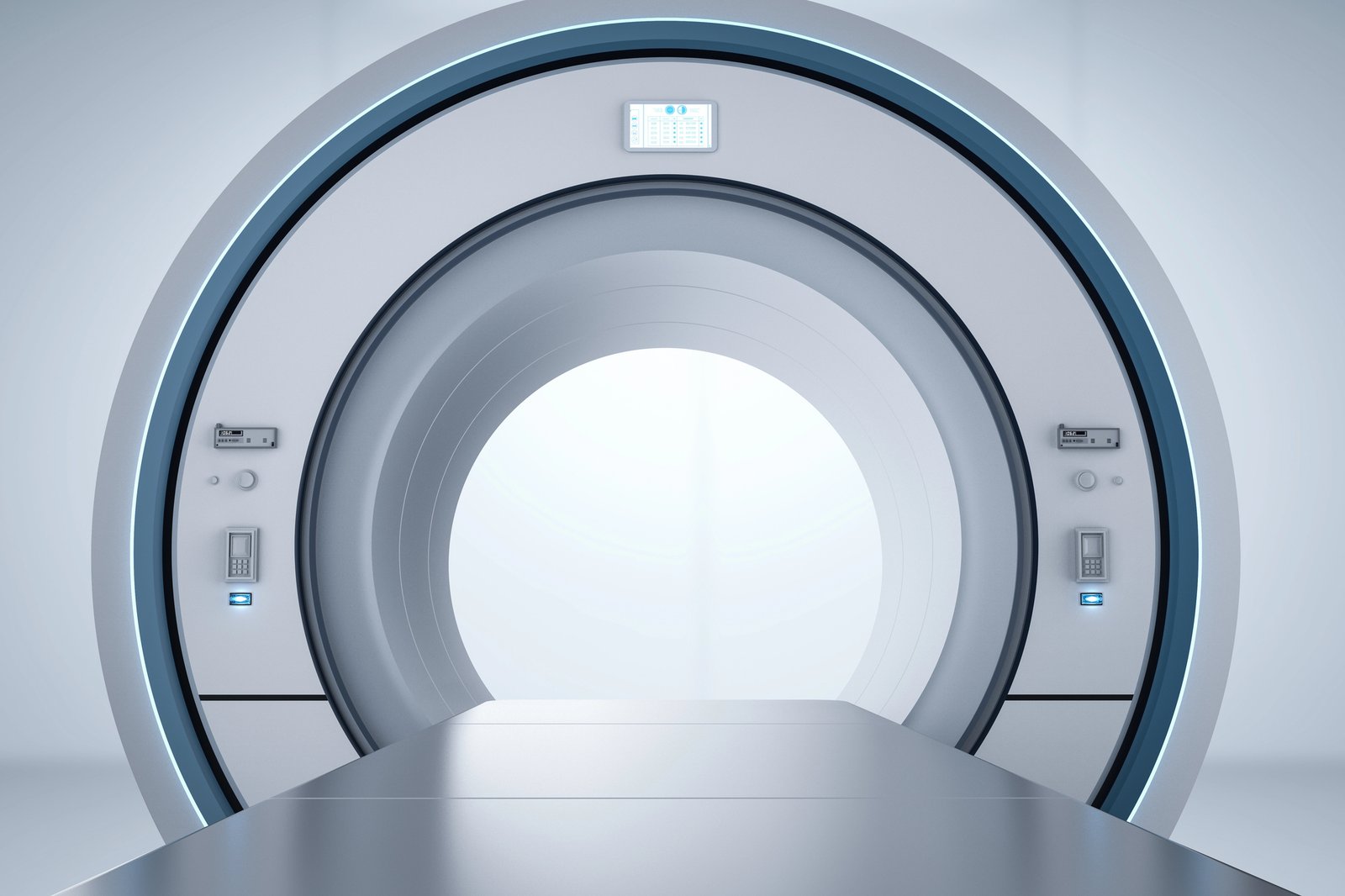
Cut-out image of an MRI scanner, illustrating an application02
D-Ggeneric literature value

Permanent-magnet MRI systems

1,700 kg (literature mean; not a lower bound)to 3,000 kg (published upper value)NdFeB per applicable permanent-magnet MRI scanner

Where are they used? Within the scanner's large permanent-magnet system and its magnetic return yoke. The design must be identified unambiguously before estimating a quantity.

Apply only to MRI systems with NdFeB permanent magnets. Superconducting MRI systems must not be included by default.

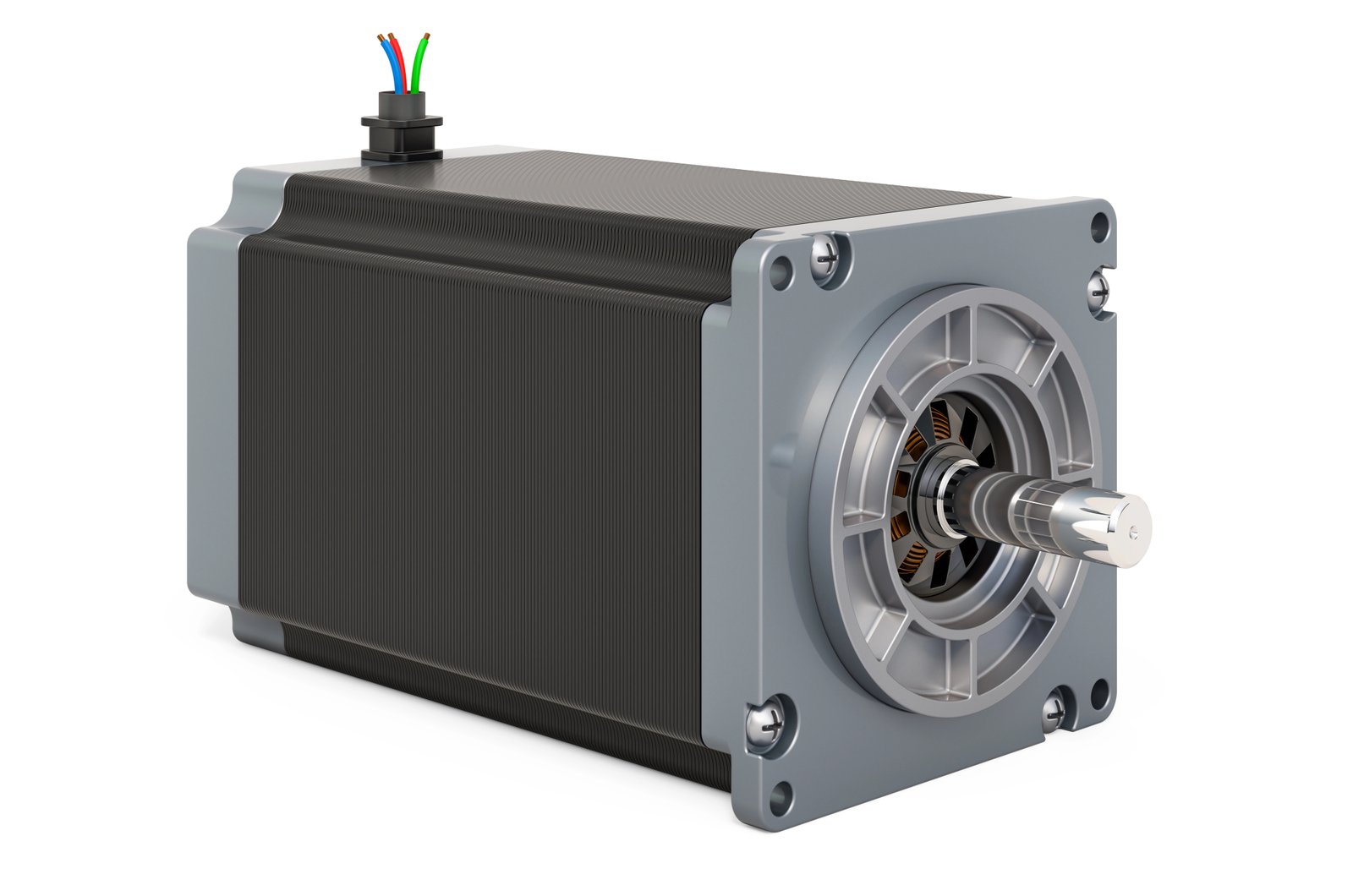
Cut-out image of an industrial stepper motor, illustrating an application03
A-MMeasurement/teardown figure

Large industrial permanent-magnet drive

72 kgNdFeB in the 1.25-MW design studied

Where are they used? In the rotor or permanent-magnet coupling of the drive system studied. The design and system boundary must be established from the technical documentation.

The design case is not a market average for industrial drives of other power ratings, designs or manufacturers.

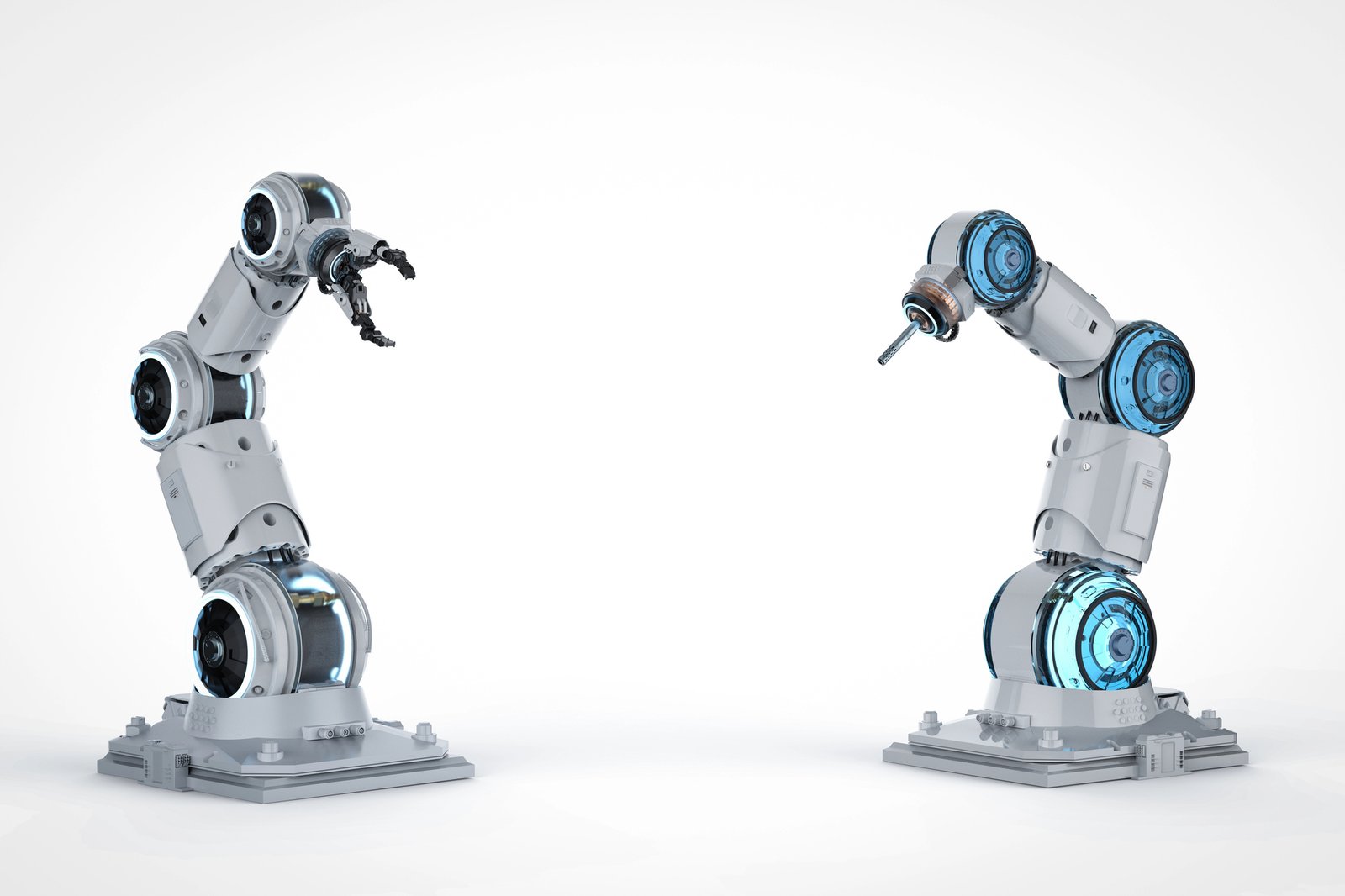
Two industrial robots illustrating servo-drive applications04
D-Ggeneric literature value

Industrial robot

8.5 kgto 15 kgNdFeB per robot as a literature reference

Where are they used? Primarily in permanent-magnet servo motors on the axes, and potentially also in brakes, sensors and grippers. Robot weight is not magnet mass.

Do not attribute these figures to a specific KUKA, ABB, FANUC or Kawasaki model; complete model-specific BOMs were not found.

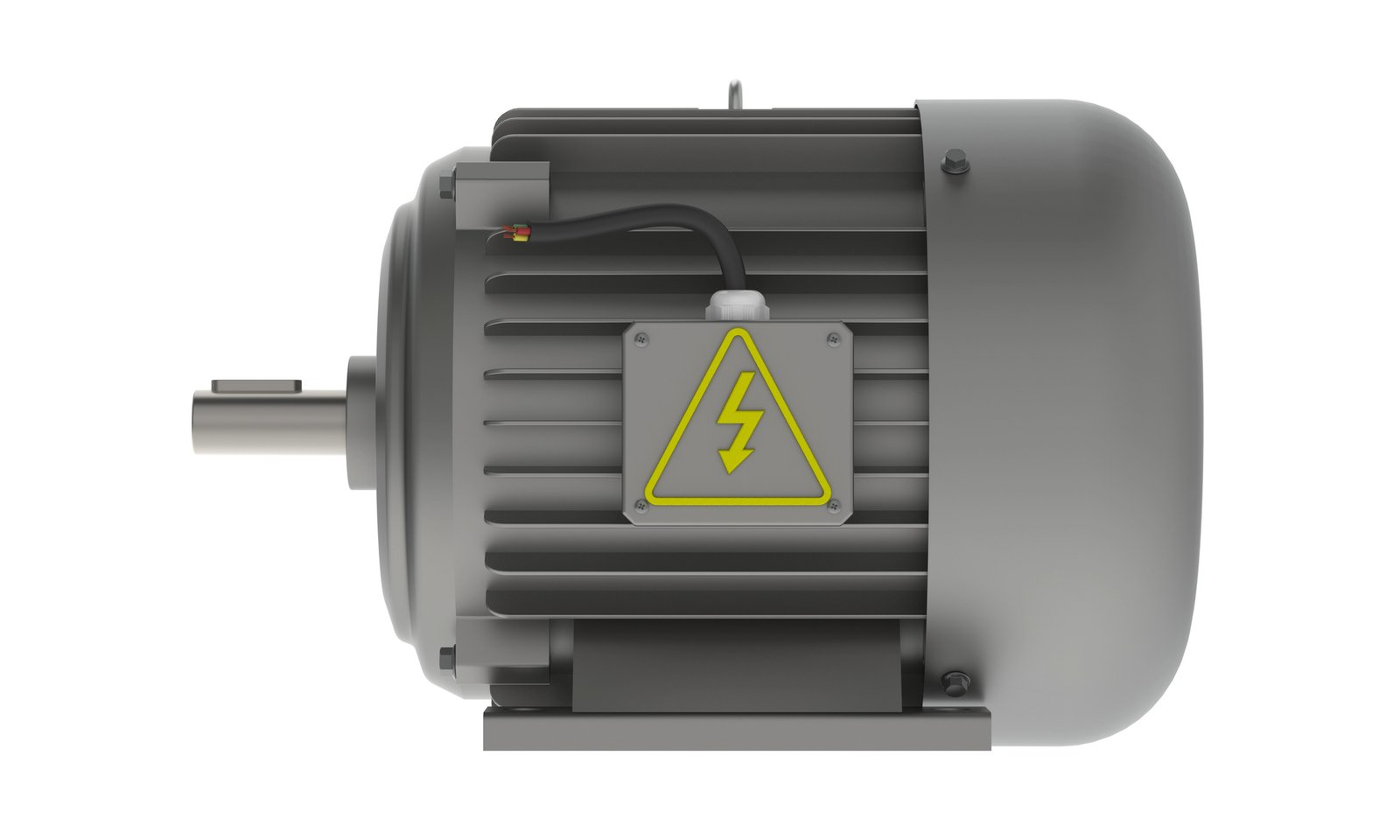
Electric motor with a high-voltage warning sign, illustrating an application05
C-Rreliable secondary source

Electric car with a permanent-magnet traction system

1.9 kgto 2.5 kgNdFeB per vehicle or motor, depending on the source

Where are they used? In the rotor of a permanent-magnet synchronous motor or a related PM motor architecture. Additional small magnets in the vehicle fall outside the system boundaries of some studies.

Check the model generation, axle and motor type. A vehicle may have magnet-free, permanent-magnet or mixed drive systems.

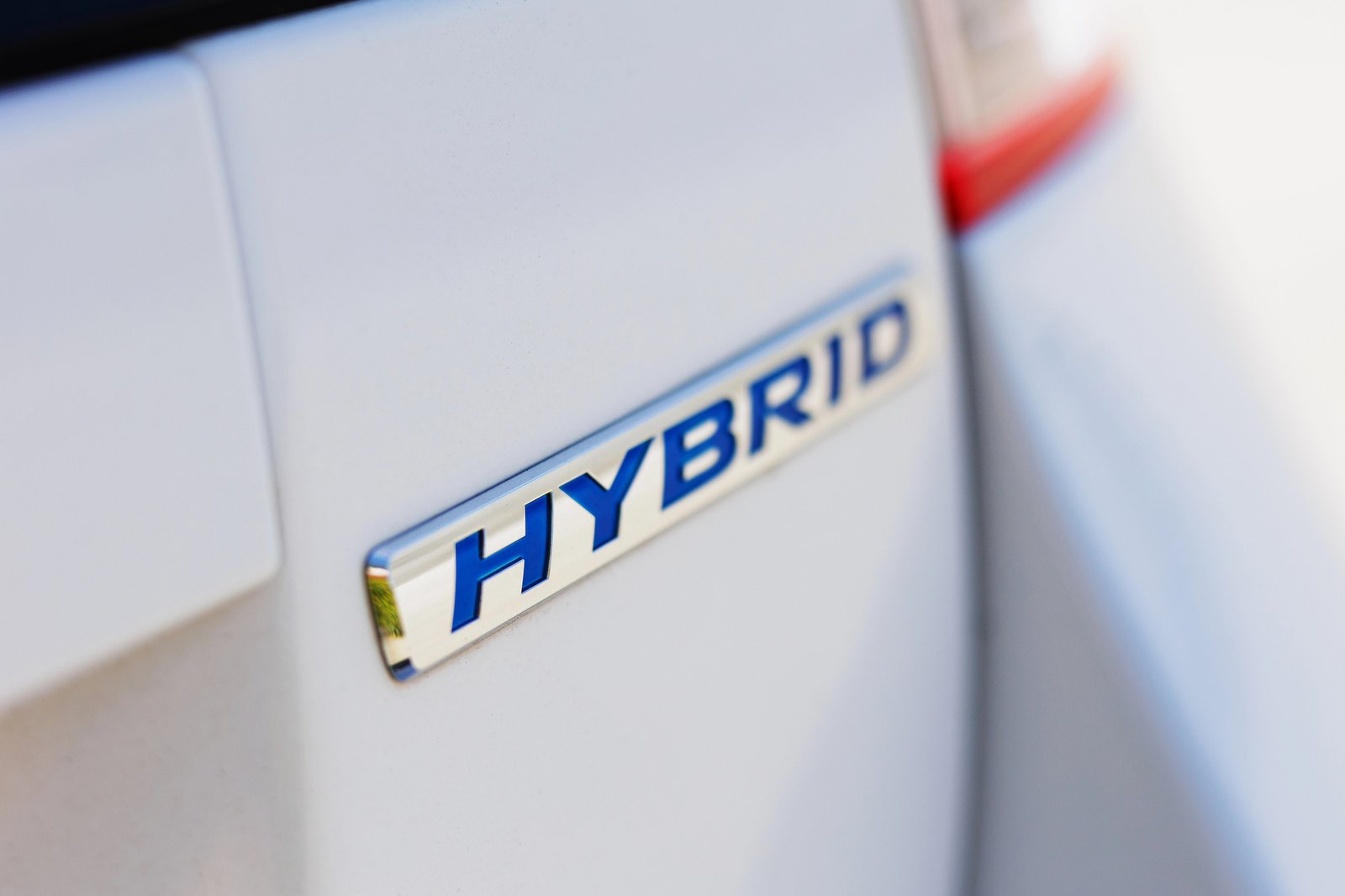
Hybrid badge on a vehicle, illustrating an application06
A-MMeasurement/teardown figure

Hybrid vehicle

1.216 kgto 1.995 kgNdFeB in the traction system studied

Where are they used? In the rotors of the traction motor and generator, for example MG2 and MG1. The specific hybrid architecture determines the number and mass.

Only the motor and generator components studied are counted. Other magnets in the vehicle are not automatically included.

Two centrifugal pumps in a hot-water heating system07
D-Ggeneric literature value

Industrial pump

0.35 kgNdFeB per pump as a literature factor

Where are they used? In the rotor of a permanent-magnet motor or in a magnetic coupling. The pump, motor and coupling must be treated as separate system boundaries.

A 39.58 g sample from a single study is not a whole-device figure. Pumps without a permanent-magnet motor may contain 0 kg in the drive.

Image: Saud · CC BY-SA 4.0
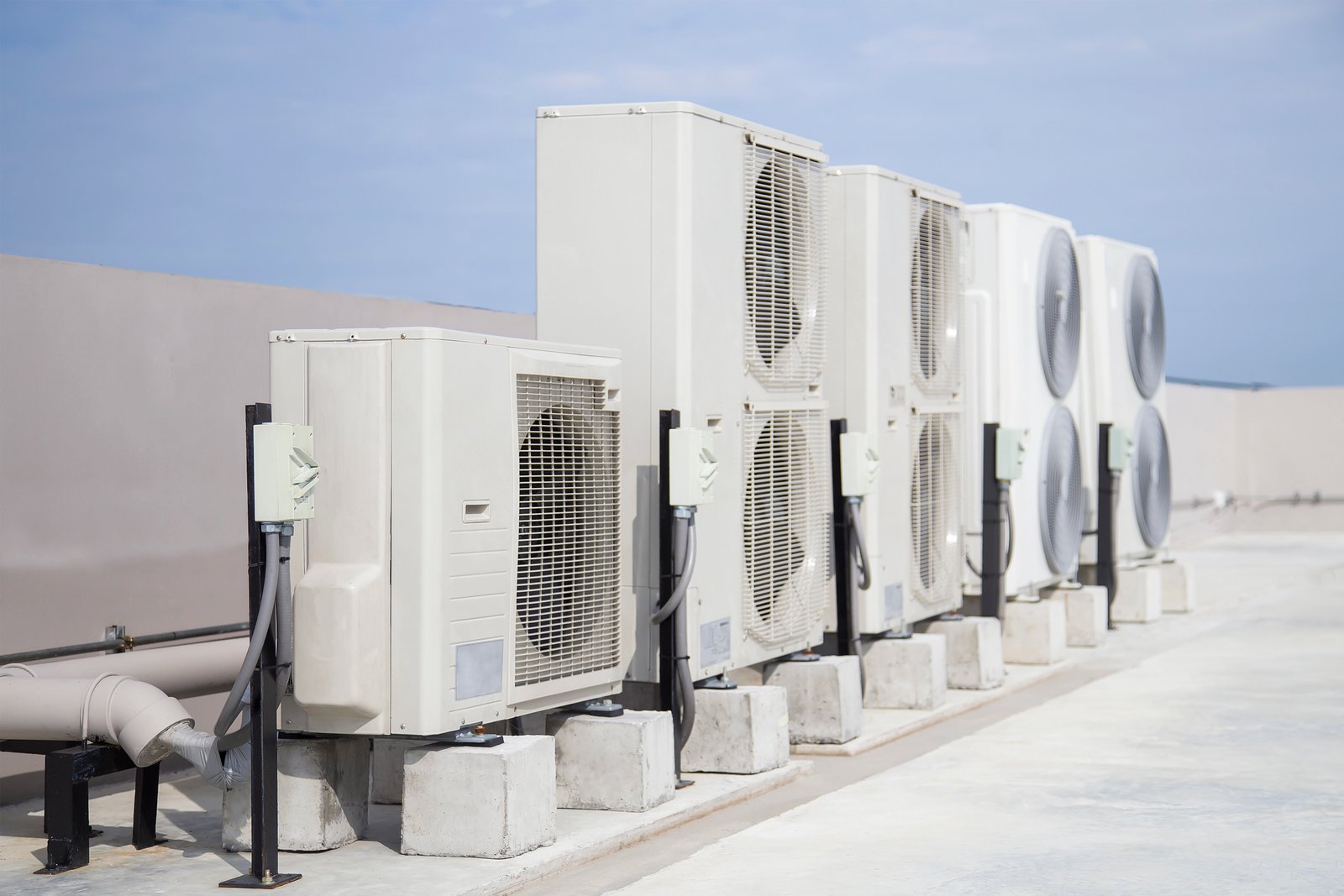
Row of large HVAC units, illustrating an application08
D-Ggeneric literature value

Air-conditioning unit or heat pump

0.325 kgNdFeB per unit as a literature factor

Where are they used? Potentially in variable-speed permanent-magnet compressors and in fan and pump drives. The refrigerant and disposal system must be treated separately.

No model-specific BOM was found. Compressor and fan technologies vary; not every unit contains the same magnet mass.

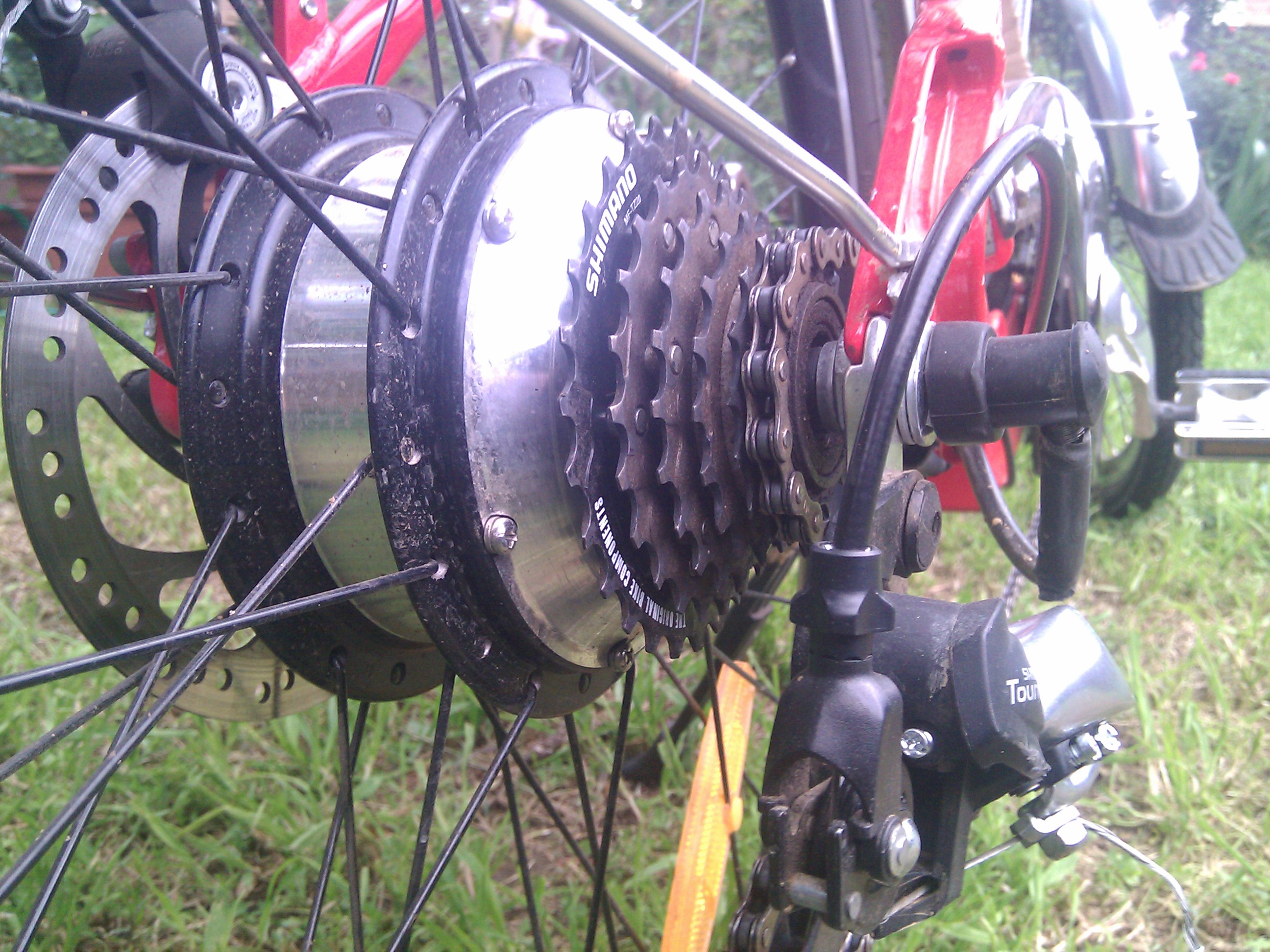
Open brushless bicycle hub motor with magnets arranged in a ring09
D-Ggeneric literature value

E-bike or pedelec

0.27 kgto 0.35 kgNdFeB per drive as a literature reference

Where are they used? In the rotor of a hub or mid-drive motor. In a hub motor, the permanent magnets are arranged in a ring on the rotating housing around the stator.

JRC notes that older factors may overstate modern designs. The range is not a current market average.

Image: Ken962 · CC BY-SA 3.0
Set of industrial electric motors, illustrating an application10
D-Ggeneric literature value

Industrial motor or servo motor

0.175 kgNdFeB per motor as a literature factor

Where are they used? As segment, arc or embedded magnets in the rotor of a permanent-magnet servo motor. Encoders and brakes may contain additional small magnets.

Power rating, rotor design, magnet grade and temperature requirements can substantially change the actual quantity.

Further data tables

Detailed models, weights and sources

The tables cover wind-turbine and vehicle models with and without documented NdFeB, hybrid teardowns, robotics, other equipment, calculation factors, sources and known data gaps.

Start here

Reading guide & evidence classes

System boundaries, evidence classes A-M to X and rules for using the figures correctly.

Top 10 reference comparison

Top 10 by reference magnet mass

Ordering, figures, basis, primary sources and evidence status.

Calculation factors

Literature-based factors & outliers

Calculation factors used and contradictory figures shown separately.

Wind turbines with documented NdFeB

Wind turbine models with NdFeB

Documented topologies, calculated values and model-specific limitations.

Wind turbines without documented NdFeB

Wind turbines without NdFeB in the main generator

Documented magnet-free generator architectures and system boundaries.

Electric vehicles with documented NdFeB

Electric vehicles with NdFeB

Models, motors, generations and measured or secondary-source values.

Electric vehicles without documented NdFeB

Electric vehicles without NdFeB in the traction motor

Only clearly documented magnet-free motor architectures, with the specific variant identified.

Hybrid-vehicle teardowns

Hybrid vehicle teardowns

Hybrid-vehicle teardowns: dismantling measurements for motor and generator assemblies, with the system boundary, installation location, source evidence and material classification relevant to a purchase assessment.

Robotics

Robotics & servo drives

Models, published data gaps and generic literature values.

Other equipment

Other devices & original applications

Pumps, HVAC, pedelecs, motors and other magnet sources.

Studies and sources

Studies and sources

Government, manufacturer, laboratory and peer-reviewed sources.

Contradictions and data gaps

Contradictions, gaps & limitations

Open questions, contradictory figures, required primary evidence and limitations on the technically defensible use of the NdFeB data.

Other specialist areas

Relevant ES Metall specialist pages

For more detailed information about selling, recycling, rare-earth materials and prices we pay, visit the relevant ES Metall specialist pages.