

Questions & answers
Frequently asked questions about selling magnets and magnet scrap
Answers about neodymium magnets, broken magnets, prices, identification, XRF, storage, shipping and the information required for an assessable material enquiry.
Frequently asked questions
Clear answers before submitting your material enquiry
How is the purchase price for neodymium magnets determined?
The material family, net magnet mass, quantity, degree of segregation, condition, attached materials, documents and potential recovery route are decisive. The price is therefore assessed for the specific lot.
Is there a price list or price per kg for neodymium magnets?
No public purchase price for neodymium magnets is currently listed. Photographs, weight, origin and condition allow an individual price assessment.
What is the difference between magnet scrap and broken magnets?
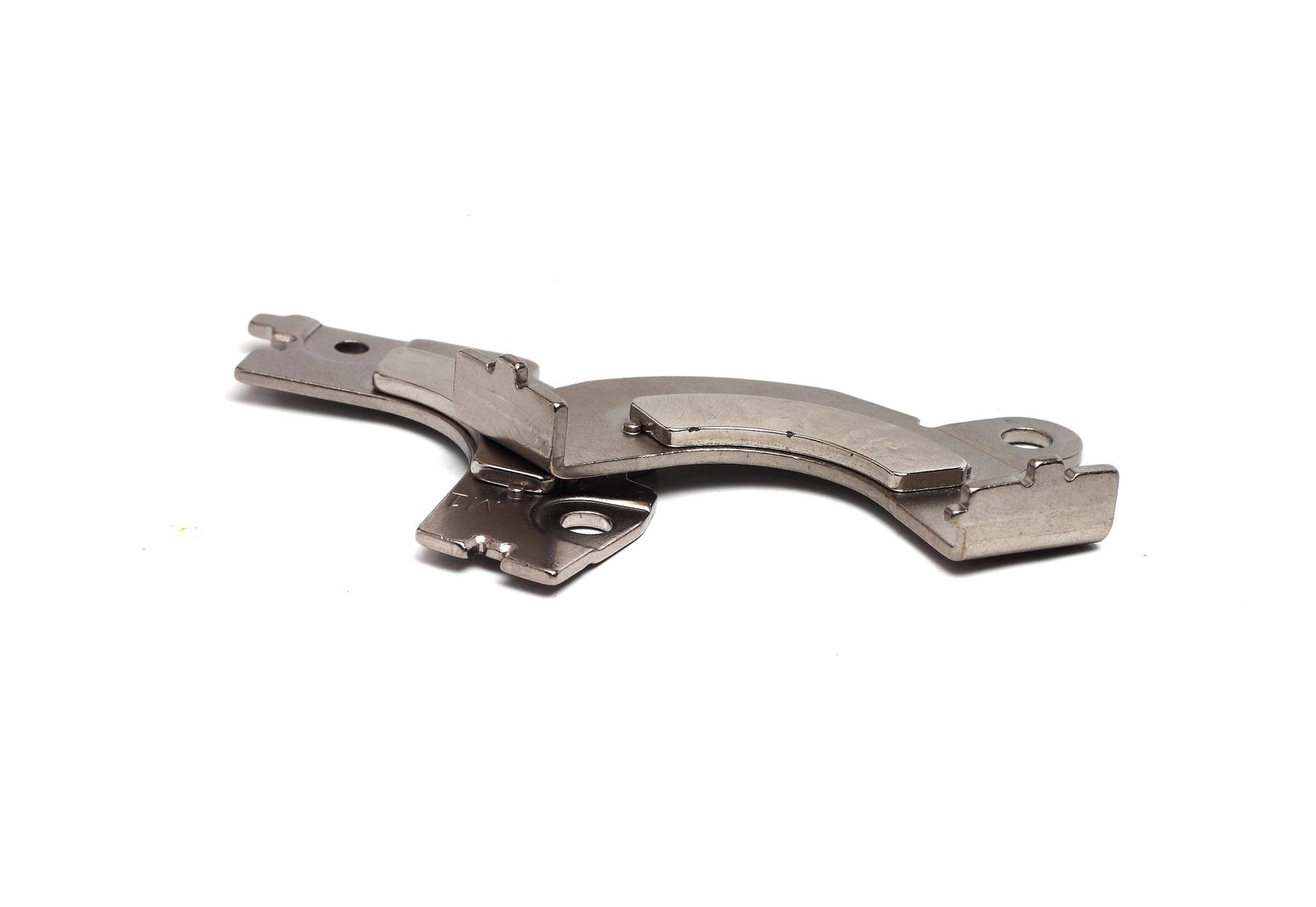
Magnet scrap is a collective term for end-of-life magnets, assemblies or production scrap. Broken magnets are fractured magnet pieces; foreign components and fine fractions must be described separately.
Is magnet scrap a distinct material type?
No. Magnet scrap is a collective term rather than a separate, clearly defined material type. For assessment, the exact material form is what matters.
Is every strong magnet a neodymium magnet?
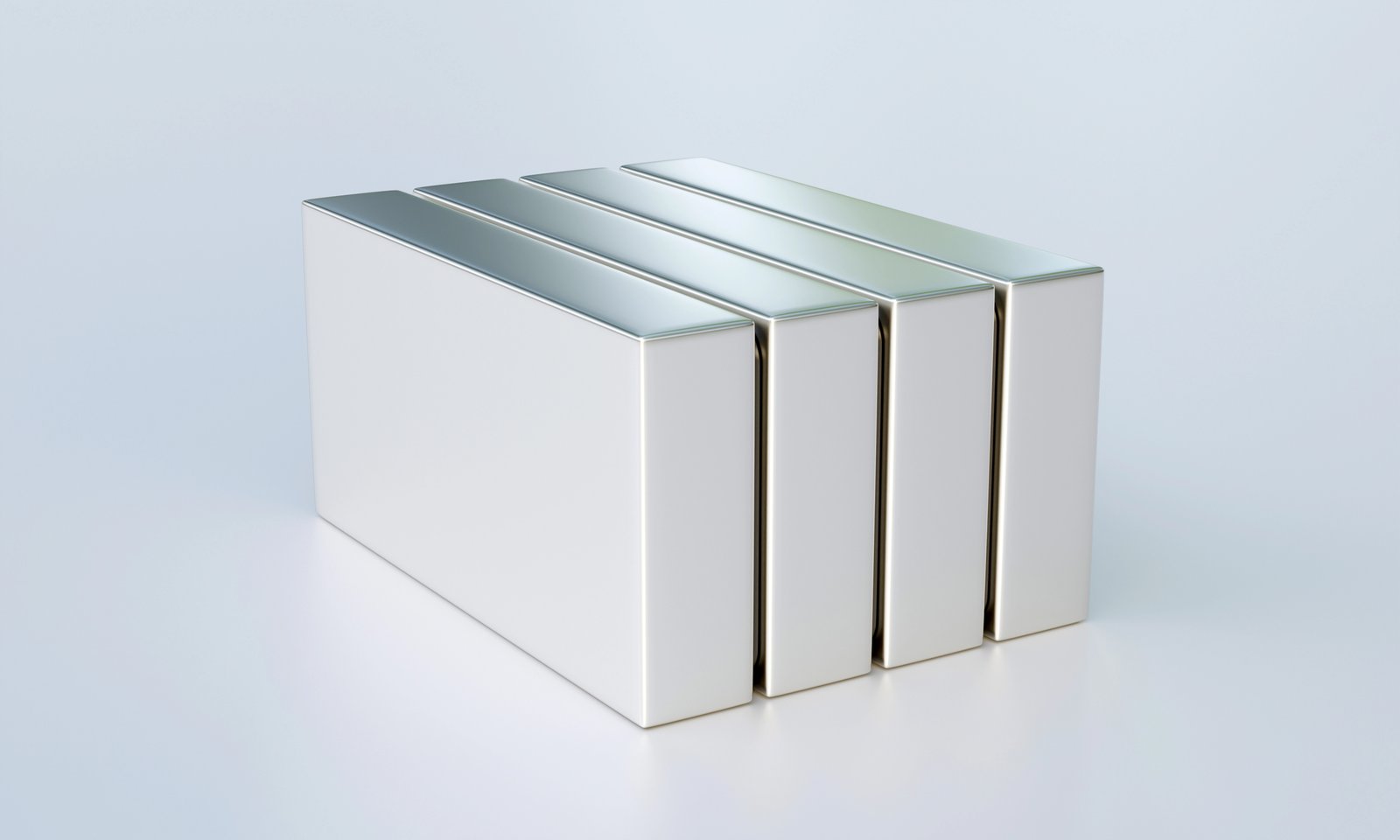
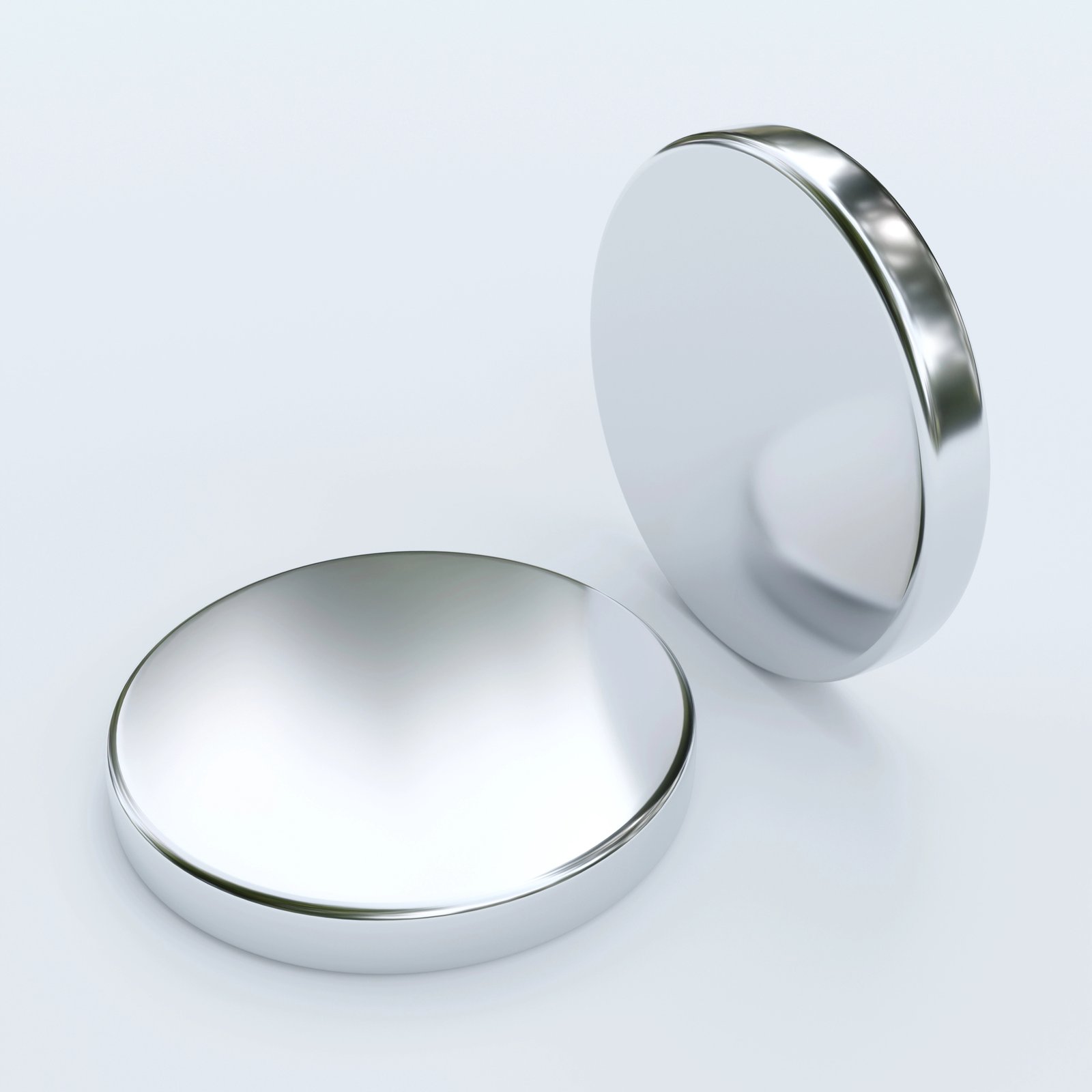
No. NdFeB, SmCo, ferrite and AlNiCo cannot be distinguished reliably by magnetic force or appearance alone.
Are bonded or used magnets worthless?
No. For bonded NdFeB and used magnets, assessability and potential recovery depend on the magnet content, binder, degree of segregation, quantity, condition and origin.
Can XRF determine the dysprosium or terbium content?
Depending on the instrument, calibration, surface, coating and sample form, XRF can provide indications. A representative sample and other analytical methods may be required to determine the overall composition quantitatively.
Do SH, UH, EH or AH grade suffixes prove a high Dy or Tb content?
No. These suffixes indicate temperature or coercivity classes. A specific dysprosium or terbium content can be established only from suitable documents or appropriate analysis.
Does every electric car or wind turbine contain NdFeB magnets?
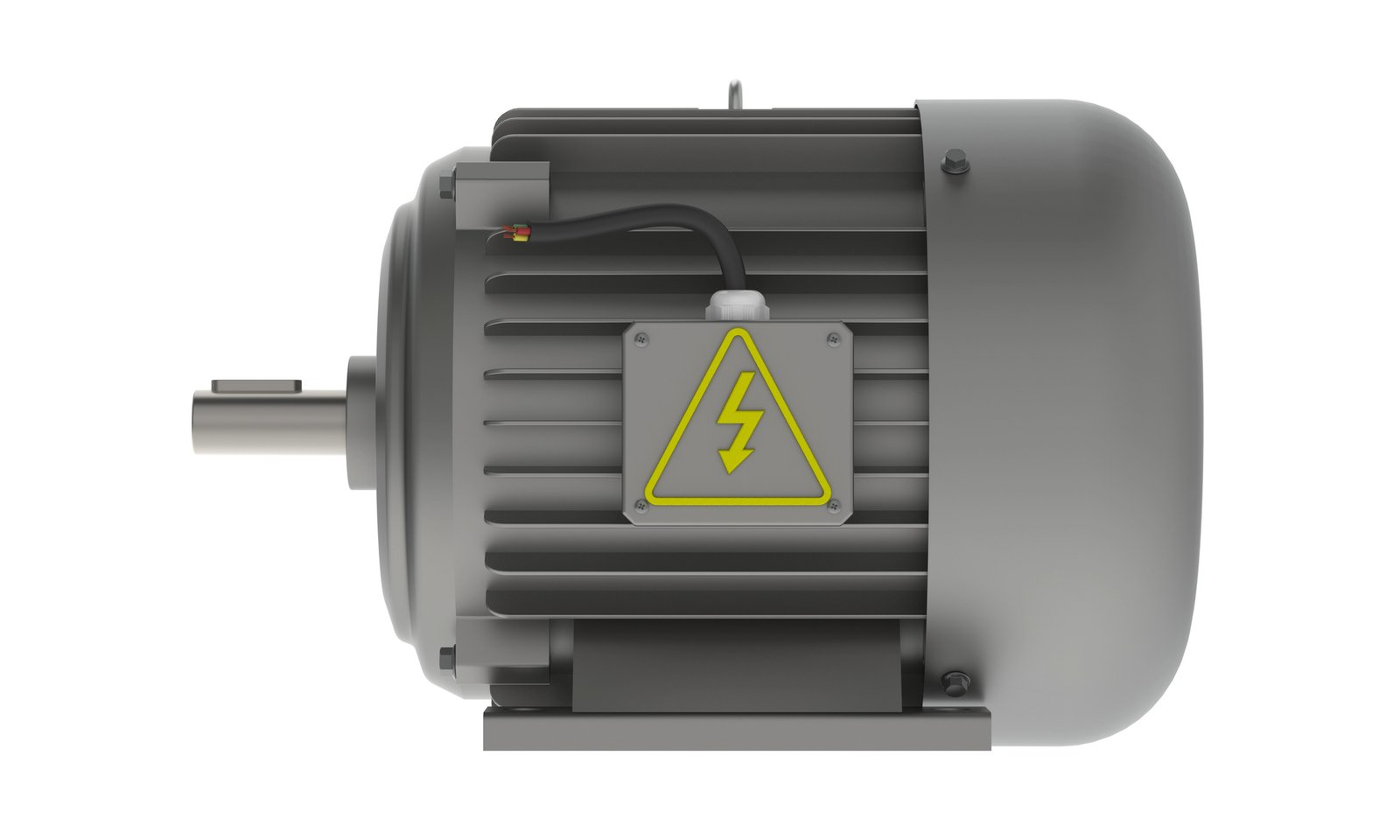
No. Motor topology, generator design, model and model year vary. The application or brand name alone establishes neither the presence of NdFeB nor a particular magnet mass.
Are all MRI magnets neodymium magnets?
No. Only certain permanent-magnet MRI systems fall within this context; other MRI designs use superconducting or resistive magnets and may contain different materials.
Can I send magnets immediately?
No. Do not send magnets, powders, swarf, sludges or unidentified substances without prior agreement. Agree the material form, condition and shipping arrangements with ES Metall first.
Is magnet scrap automatically classified as dangerous goods?
Not necessarily. Classification depends on factors including the material form, magnetisation, packaging, process fluids and the specific transport characteristics. The shipping route must be assessed case by case.
Are the Top 10 weights manufacturer figures?
Some values come from measurements or manufacturer documents; others are derived from reproducible calculations or generic literature. Each card states the evidence type and system boundary.
Are entries in the enquiry field sent immediately?
No. The field in the visible purchasing section is used to prepare the enquiry and takes you to the contact page. Nothing is sent until you use the direct contact method selected there.