

CEPS 1.9 kg; JRC 2–2.5 kg; documented references for the Nissan LEAF and BMW i3.
Rank 05 · NdFeB application
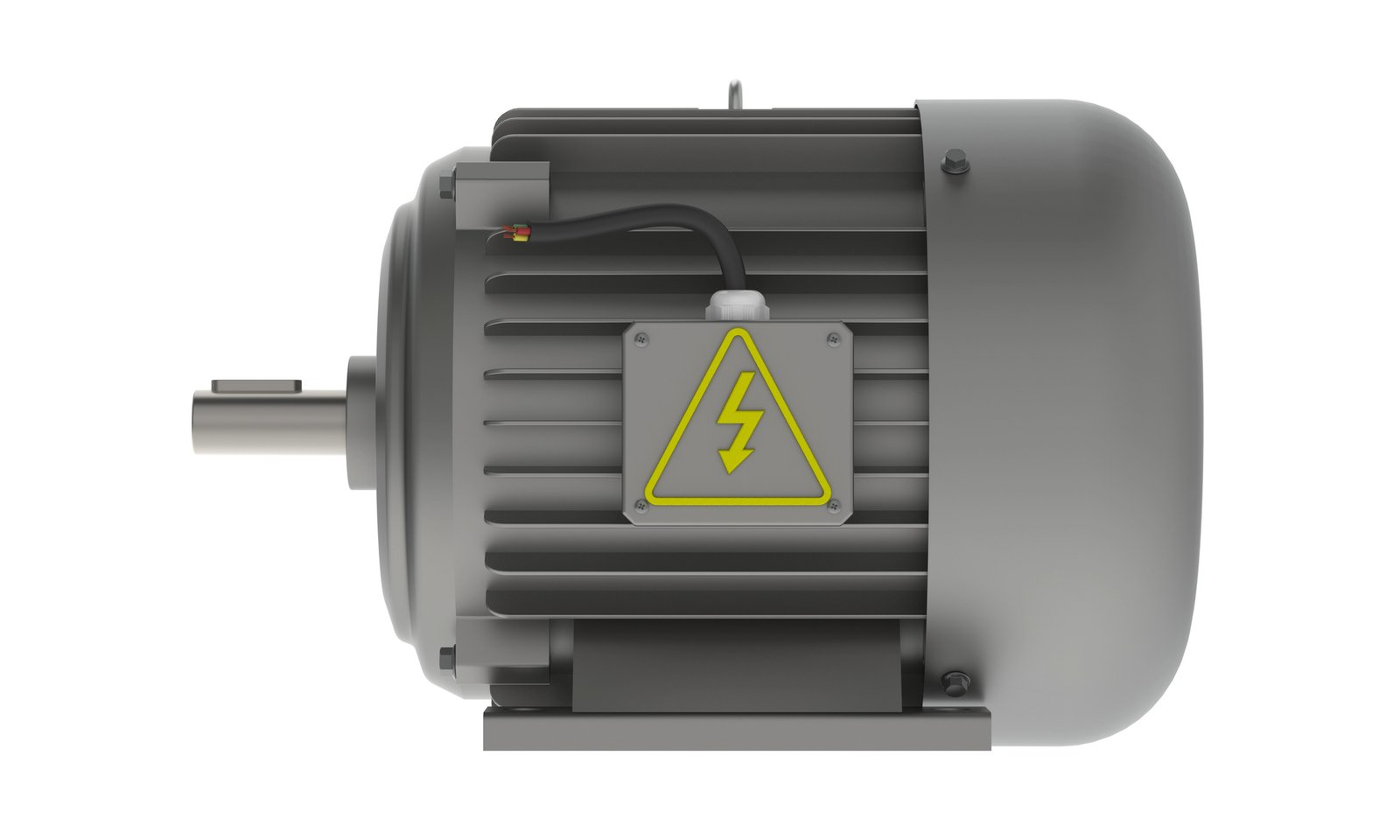
Electric car with a permanent-magnet traction system
C-Rreliable secondary sourceLiterature value plus teardown references
In the rotor of a permanent-magnet synchronous motor or a related PM motor architecture. Additional small magnets elsewhere in the vehicle fall outside the system boundary of some studies.
Reference value1.9 kgNdFeB per vehicle or motor, depending on the source
Highest reference value used2.5 kgNdFeB per vehicle or motor, depending on the source
Limitations of the figure
Check the model generation, axle and motor type. A vehicle may have a magnet-free, permanent-magnet or mixed drive architecture.
Original application & recovery
Where the magnets are located in an electric car
Its position within the device helps with identification, but does not in itself establish the alloy, weight or eligibility for purchase.
Location within the equipment
In the rotor of a permanent-magnet synchronous motor or a related PM motor architecture. Additional small magnets elsewhere in the vehicle fall outside the system boundary of some studies.
System boundary
NdFeB per vehicle or motor, depending on the source. Foreign parts, housings, shafts, back irons, supports and other device components are not automatically included in the magnet mass.
Record before submitting an enquiry
- Provide the VIN, model year, axle and drive unit
- Do not equate the motor/rotor assembly with the total vehicle weight
- Observe high-voltage and dismantling safety requirements
Source reference
Source of the figure
C-Rreliable secondary source
US DRIVE · Electrical and Electronics Technical Team Roadmap
CEPS 1.9 kg; JRC 2–2.5 kg; documented references for the Nissan LEAF and BMW i3.
Open original source ↗Other applications