

Permanent magnet
NdFeB is a hard magnetic material and is used as a permanent magnet after magnetisation.
NdFeB knowledge
Identify, compare and accurately describe neodymium magnets for sale
Information about materials, applications, magnet quantities and sources helps you describe a lot accurately.
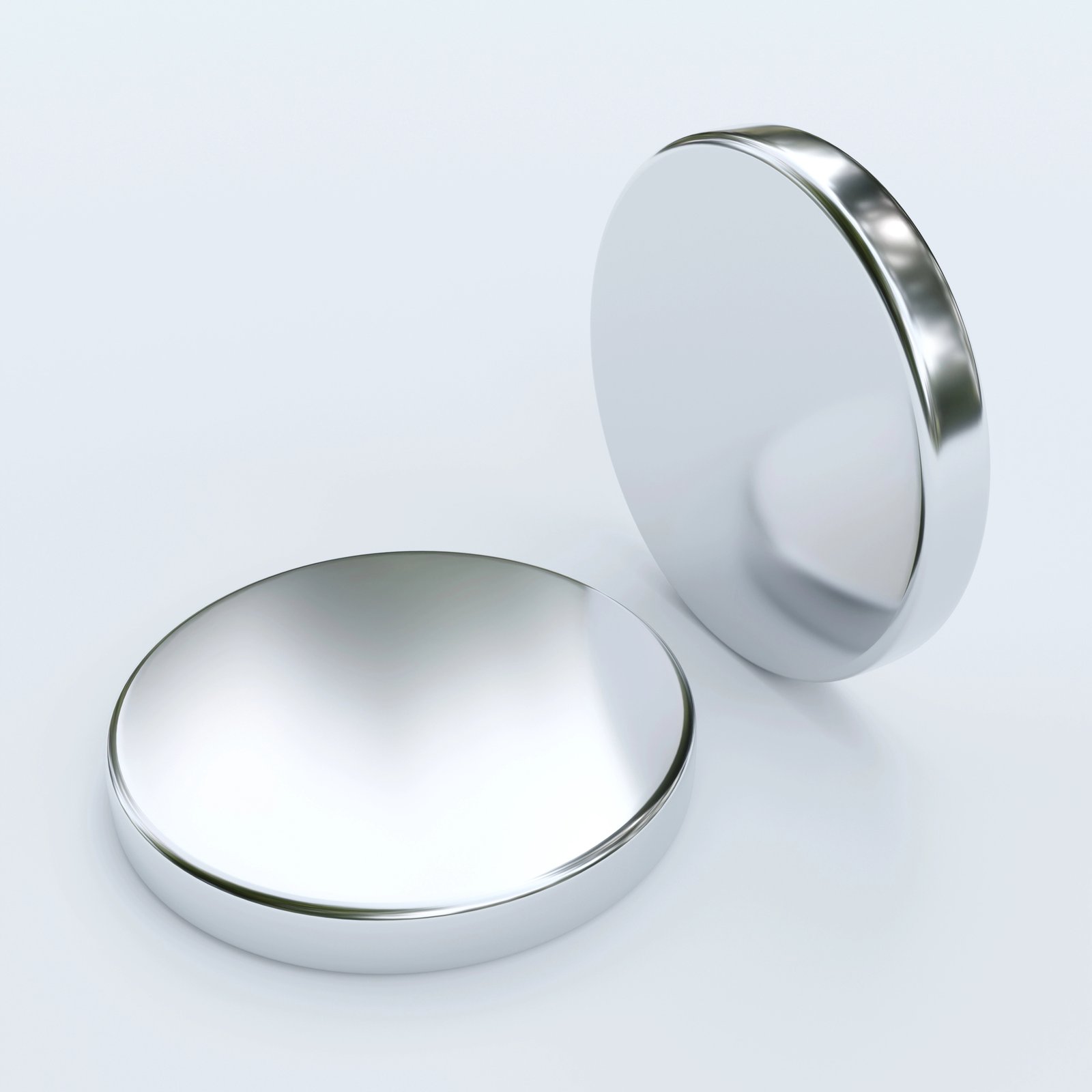
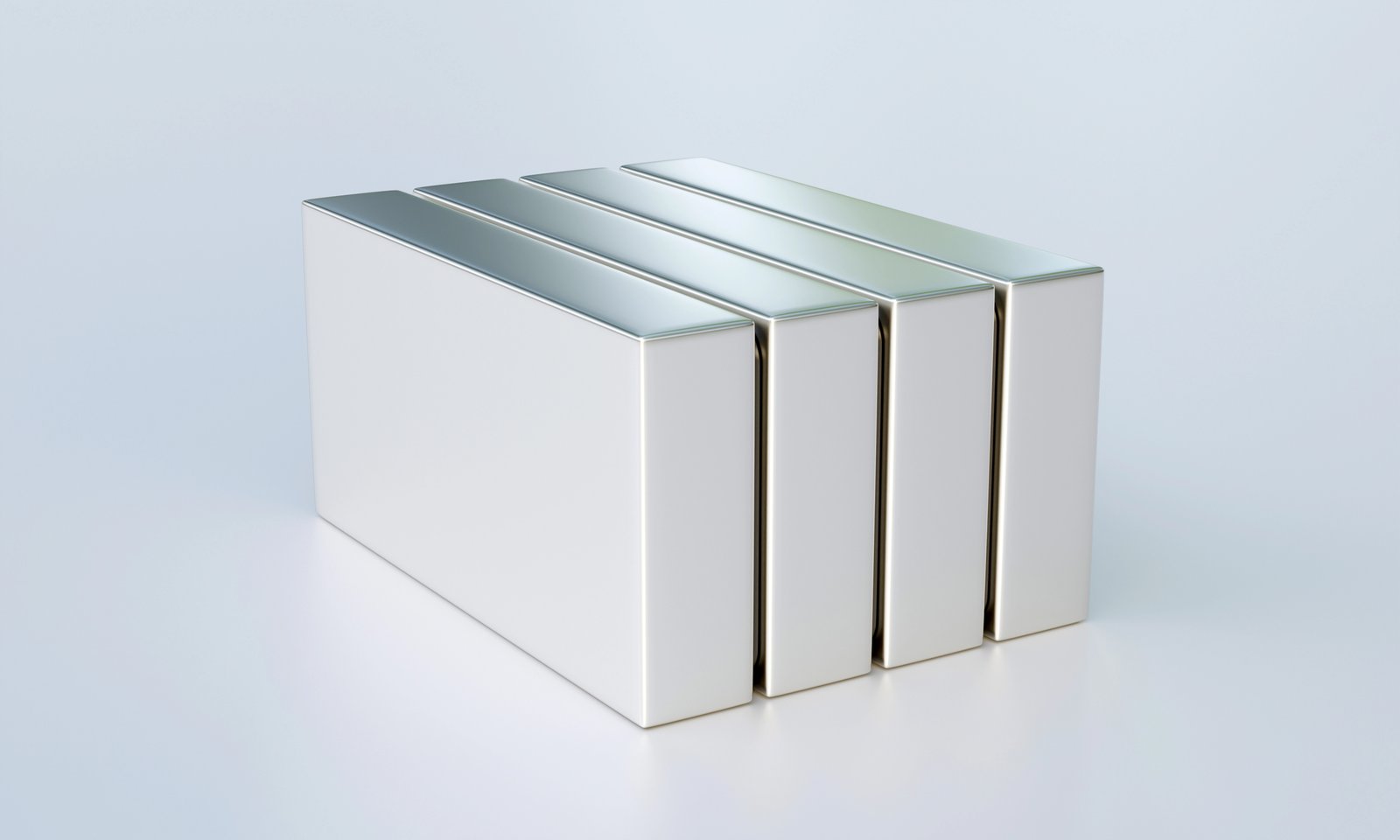 Clearly identified magnet shapesRecord block, ring, disc and segment magnets separately.›
 Quantity & conditionDocument the net weight, coating and contaminants.›
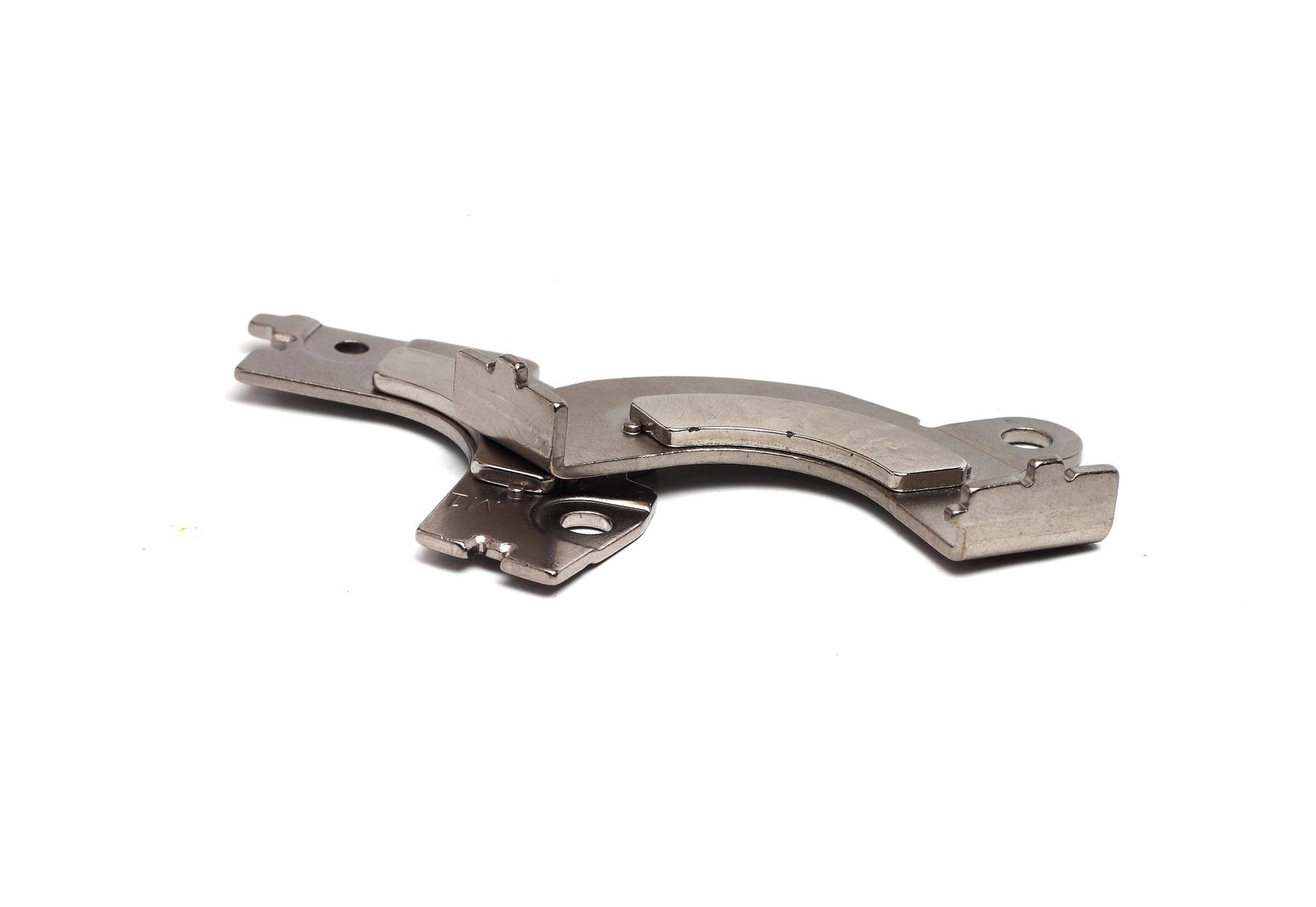 Technical applicationsThe original application and nameplate help with the initial assessment.›
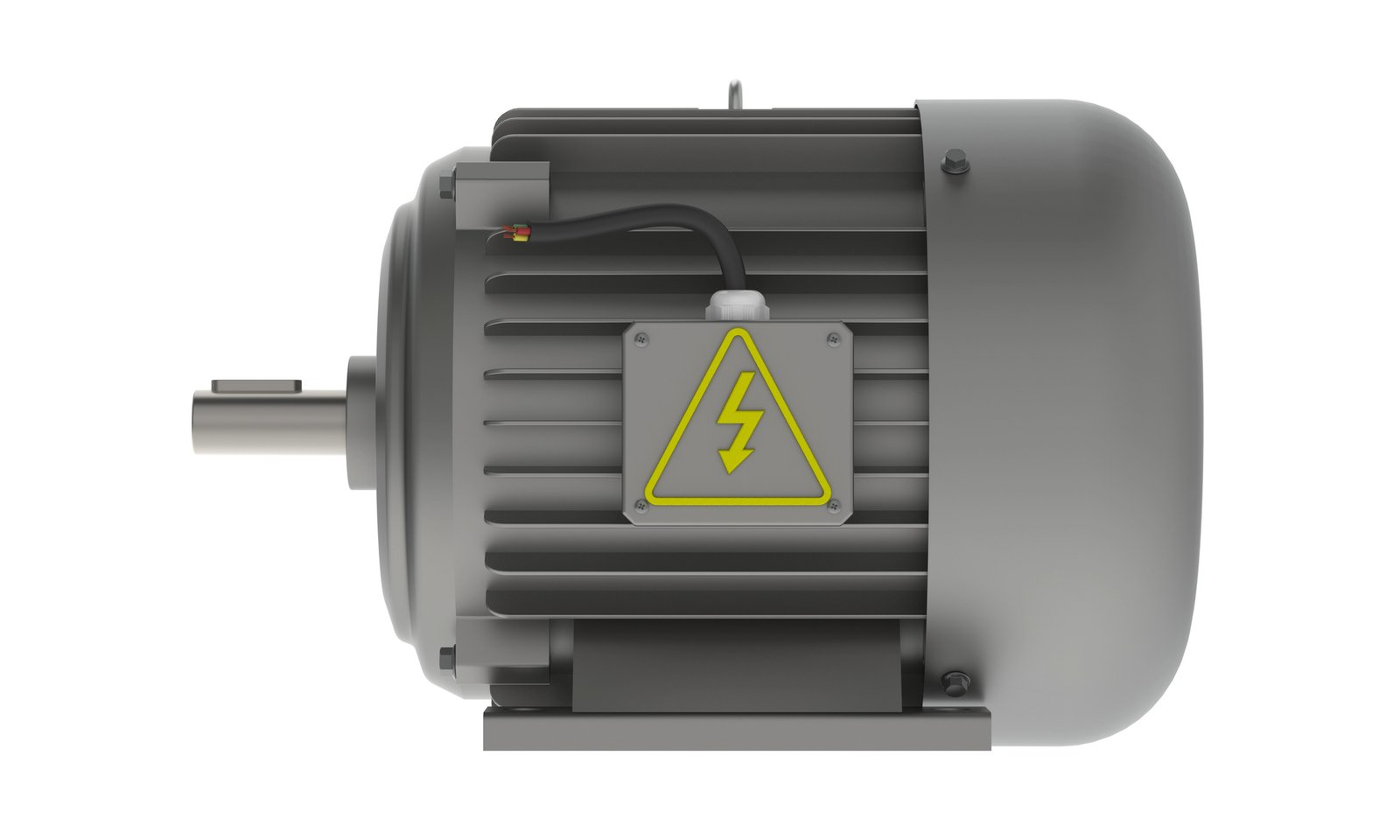 Industrial applicationsIdentify and describe motors, generators and production lots.›
Practical magnet guide · Materials knowledge
NdFeB denotes a permanent-magnet material containing neodymium, iron and boron. Commercial magnets, however, are not a pure ideal phase, but multiphase alloys with variable formulations and possible coatings.
Materials knowledge
For sellers, a concise overview of the material is sufficient. Atomic models, theoretical limits and marketing comparisons are neither necessary nor adequately substantiated for a purchase assessment.
NdFeB is a hard magnetic material and is used as a permanent magnet after magnetisation.
Nd, Fe and B form the basis reflected in the name; Pr, Dy, Tb and other elements may be added, depending on the formulation.
Sintered, bonded and hot-deformed magnets differ in their structure and potential processing route.
Material form, batch, condition, coating, attached materials and documents are more important than a simplified comparison of magnetic strength.
Phrases such as ‘the pinnacle of magnet technology’ or fixed multiples of ferrite performance are promotional and are not used as factual claims.
For material assessment
Enquiry in four steps
Record the material, form, condition, quantity and unit, country where the material is located and supporting documents.
Cross-check the stated material identity, batch, origin, parties, status and general processing route.
If required, agree the sample, method, costs, packaging and handover arrangements.
Only once a reliable basis has been established should the commercial terms, responsibilities and payment basis be documented.
Frequently asked questions
No. Samarium-cobalt is also a rare-earth magnet family and must be considered separately.
No. It is the principal hard magnetic phase; commercial magnets contain other phases, additions and, where applicable, coatings.
It affects density, binder content, microstructure, composition and which assessment or recovery route may be suitable.
Technical and legal sources
Time-sensitive legal, transport and market information should be checked directly against the linked primary sources before it is used in a specific case.
Related magnet topics
Other specialist areas
For more detailed information about selling, recycling, rare-earth materials and prices we pay, visit the relevant ES Metall specialist pages.