

Component
Record the manufacturer, type, function, dimensions and number of items in the enquiry without inferring the composition.
NdFeB knowledge
Identify, compare and accurately describe neodymium magnets for sale
Information about materials, applications, magnet quantities and sources helps you describe a lot accurately.
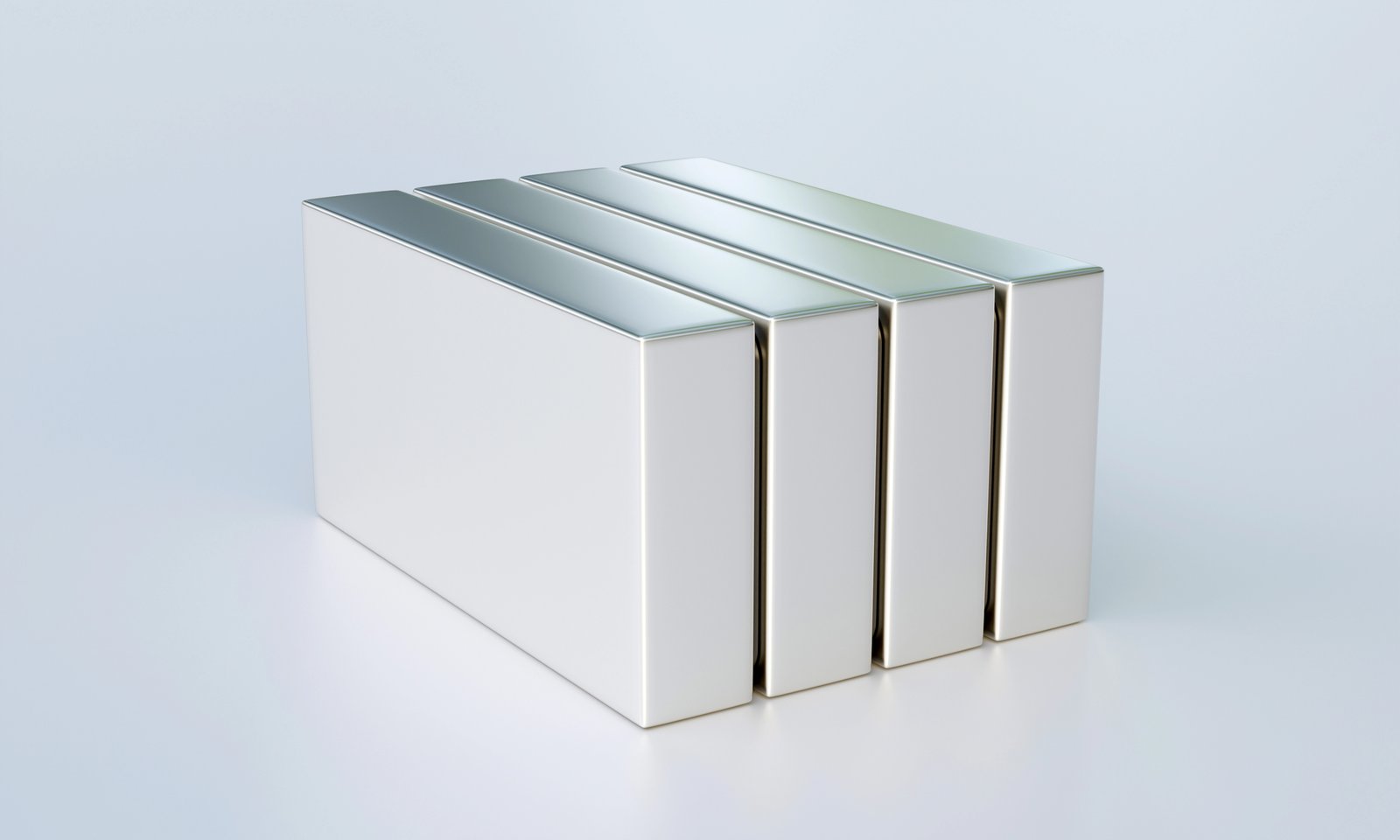 Clearly identified magnet shapesRecord block, ring, disc and segment magnets separately.›
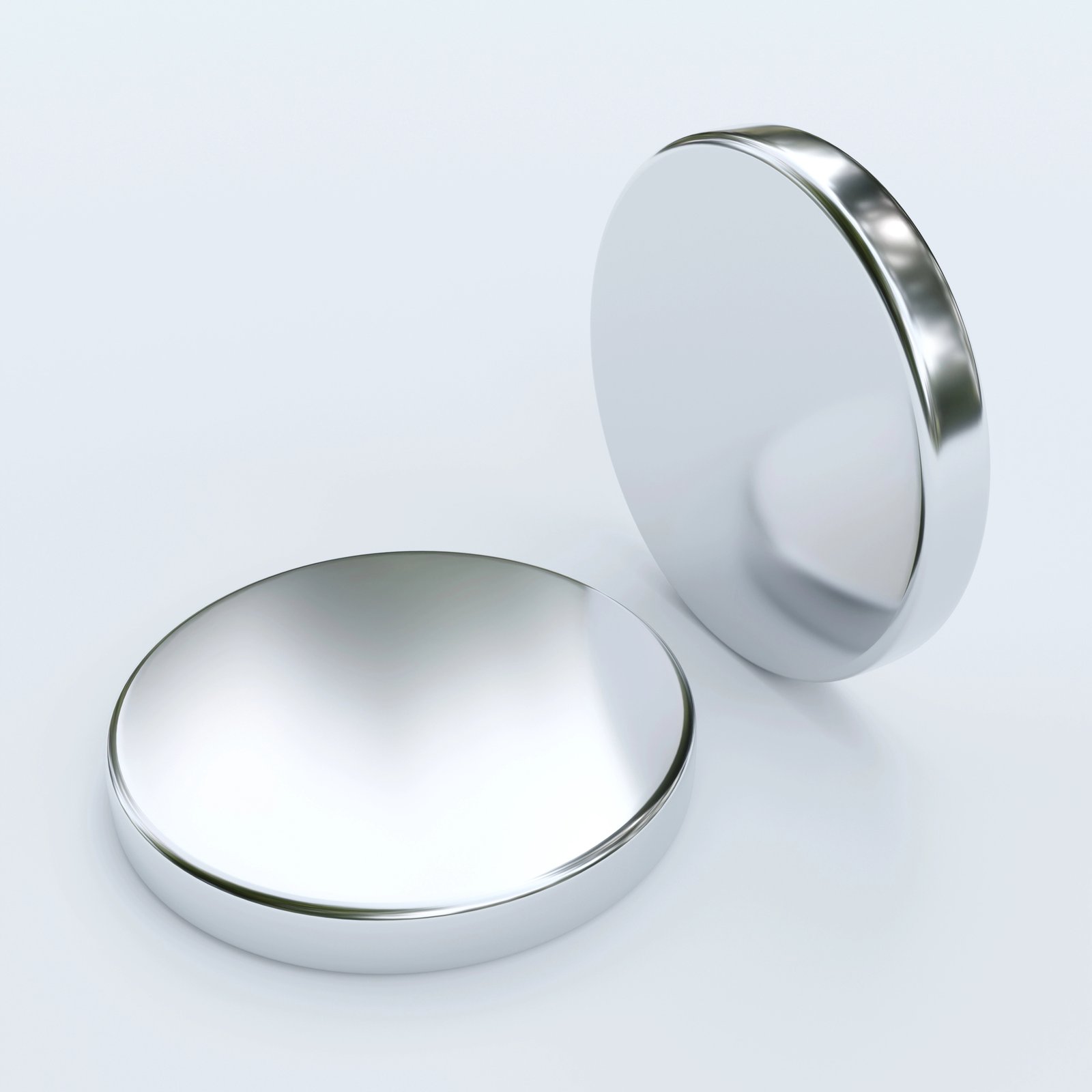 Quantity & conditionDocument the net weight, coating and contaminants.›
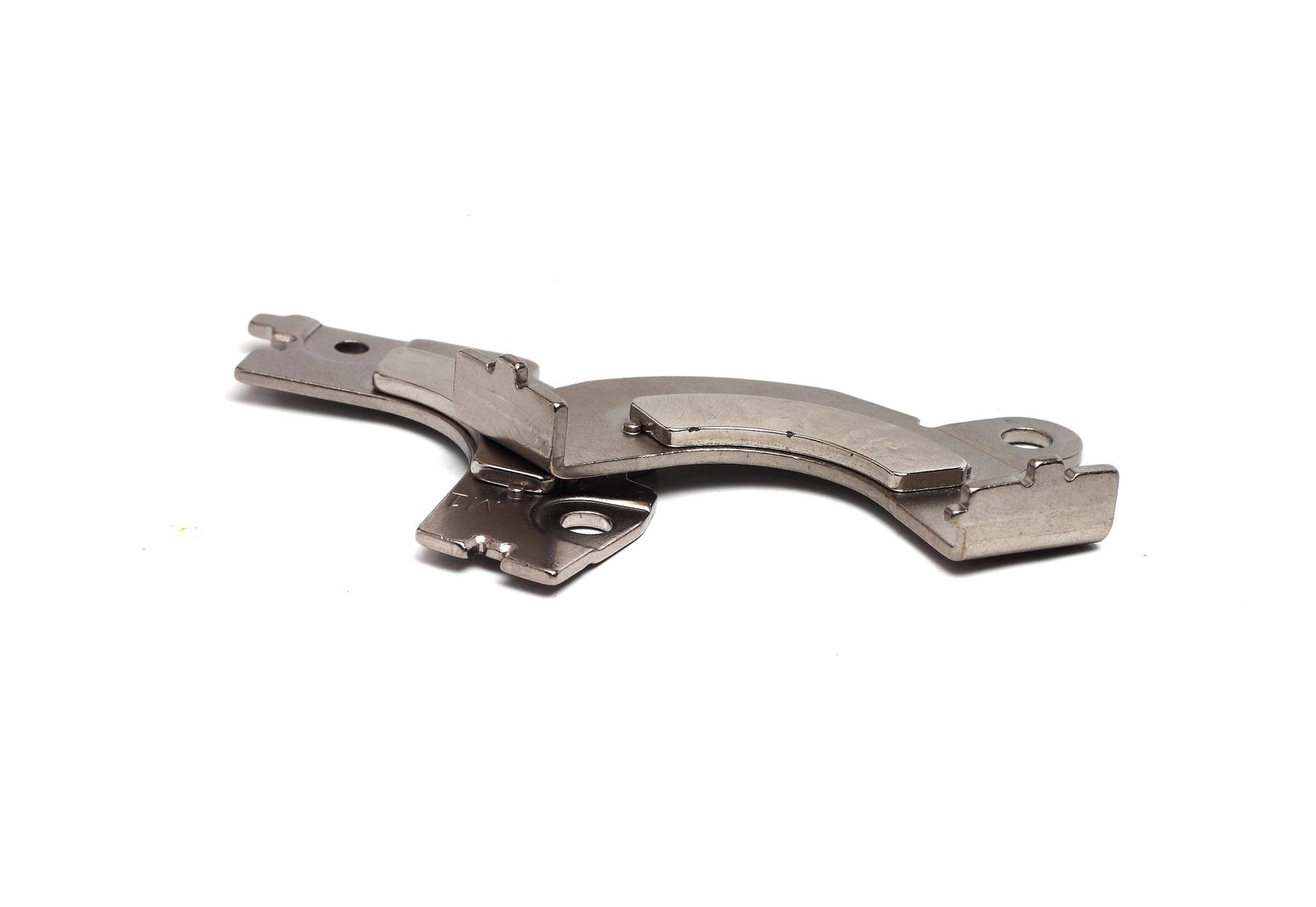 Technical applicationsThe original application and nameplate help with the initial assessment.›
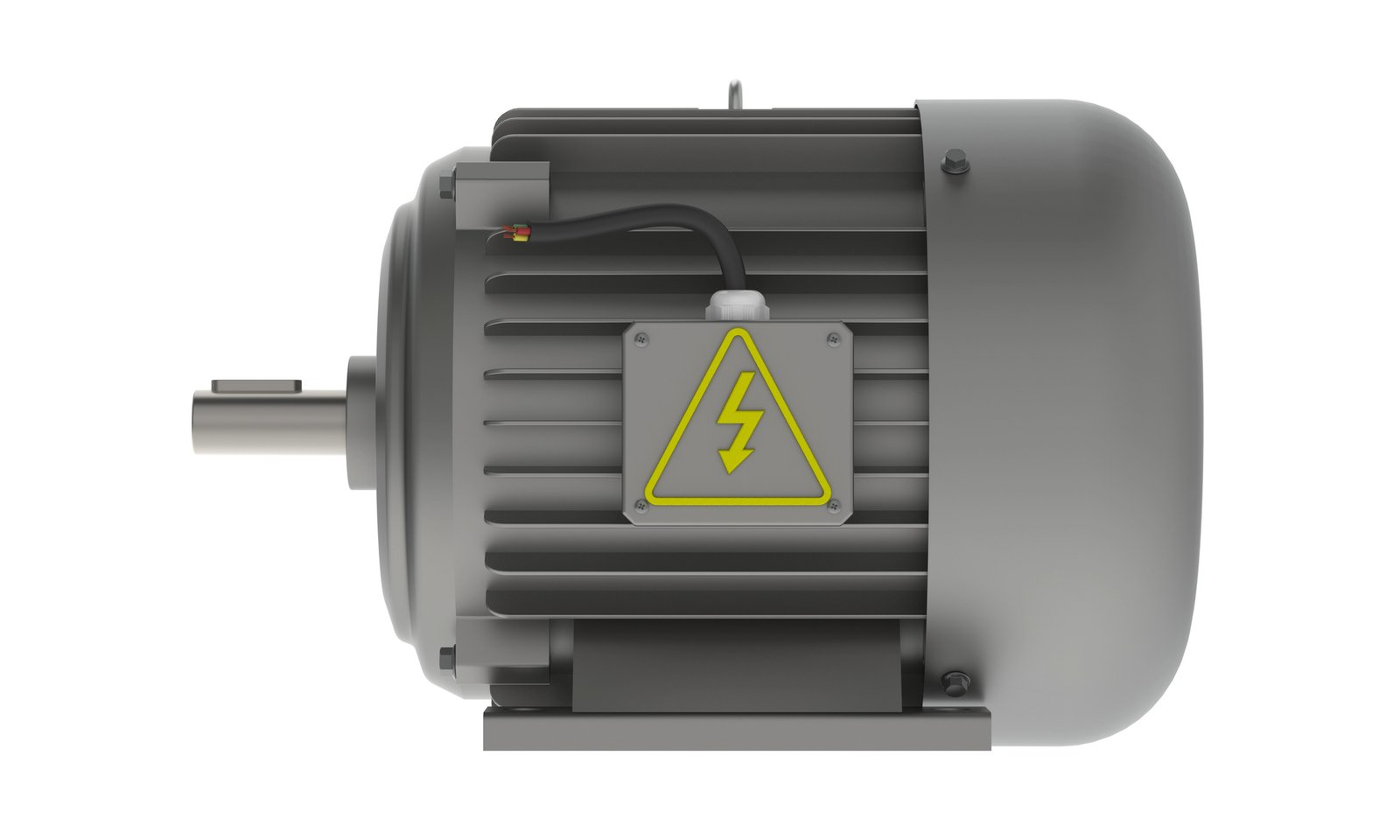 Industrial applicationsIdentify and describe motors, generators and production lots.›
Practical magnet guide · Magnet-containing components
The total weight of an assembly is not the weight of its magnet material. An initial assessment therefore requires the component type, construction, known magnet data, attached materials and a safe dismantling status.
Magnet-containing components
You can submit an enquiry about complete assemblies, but dismantling, data-bearing media, batteries, oils and other components must be considered separately.
Record the manufacturer, type, function, dimensions and number of items in the enquiry without inferring the composition.
NdFeB, SmCo or unknown; report the grade, datasheet and bill of materials only where these are available as manufacturer information.
Document steel, copper, the shaft, adhesive, potting compound, housing, electronics, batteries or fluids.
Do not dismantle strong or bonded magnets solely for the purpose of making an enquiry.
Neither the industry nor the application establishes the magnet type, grade, composition or purchase value.
For material assessment
Enquiry in four steps
Record the material, form, condition, quantity and unit, country where the material is located and supporting documents.
Cross-check the stated material identity, batch, origin, parties, status and general processing route.
If required, agree the sample, method, costs, packaging and handover arrangements.
Only once a reliable basis has been established should the commercial terms, responsibilities and payment basis be documented.
Frequently asked questions
Not automatically as magnet material. Housings, shafts, steel, copper and other components must be assessed separately.
Not without an agreed procedure. Strong magnetic forces, brittle materials, adhesives and mechanical stresses can create hazards.
No. Motor designs and magnet materials vary. A nameplate, bill of materials or suitable assessment is more informative than the application alone.
Technical and legal sources
Time-sensitive legal, transport and market information should be checked directly against the linked primary sources before it is used in a specific case.
Related magnet topics
Other specialist areas
For more detailed information about selling, recycling, rare-earth materials and prices we pay, visit the relevant ES Metall specialist pages.