

Drive systems
Electric motors, generators and servo drives may contain permanent magnets; the motor design and material vary.
NdFeB knowledge
Identify, compare and accurately describe neodymium magnets for sale
Information about materials, applications, magnet quantities and sources helps you describe a lot accurately.
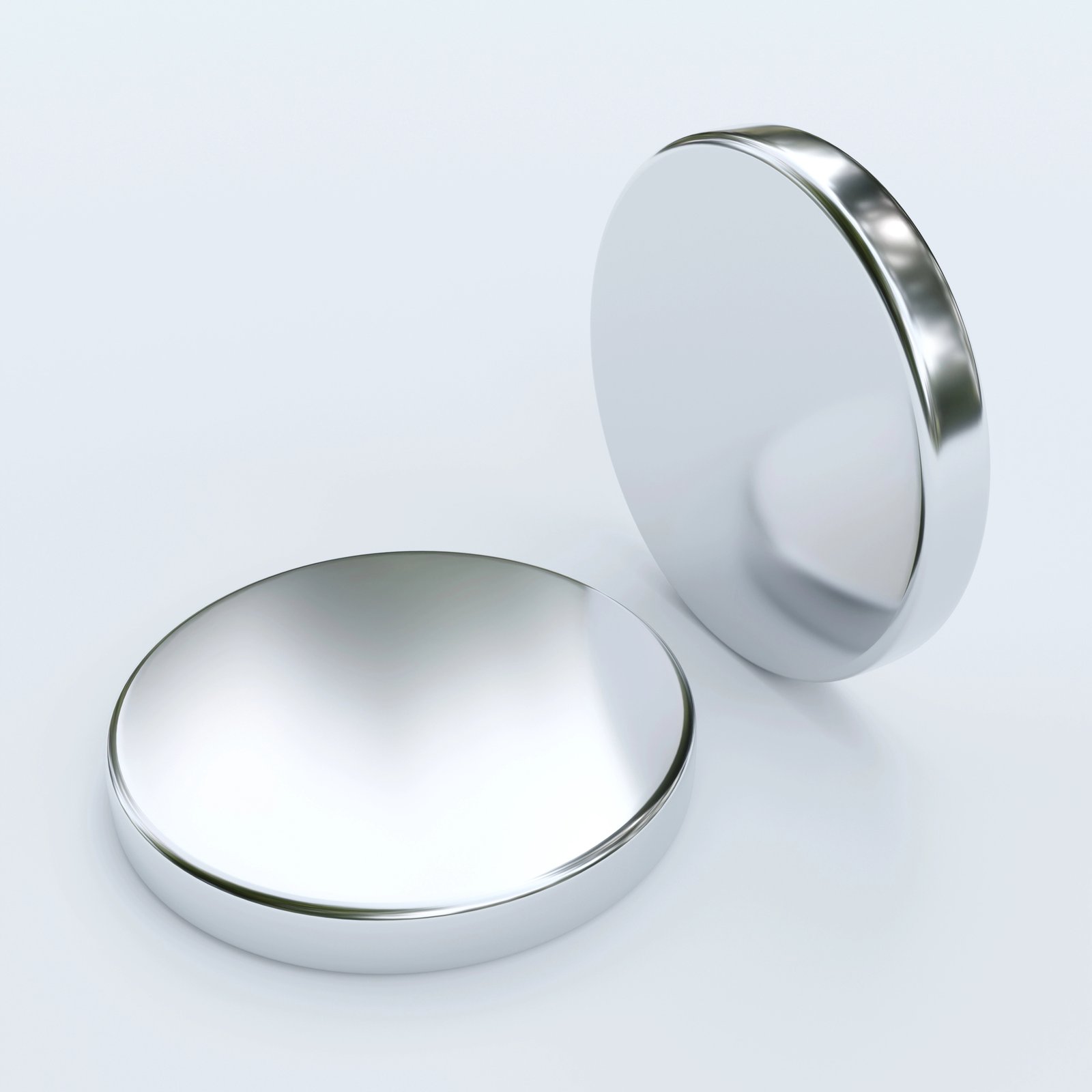
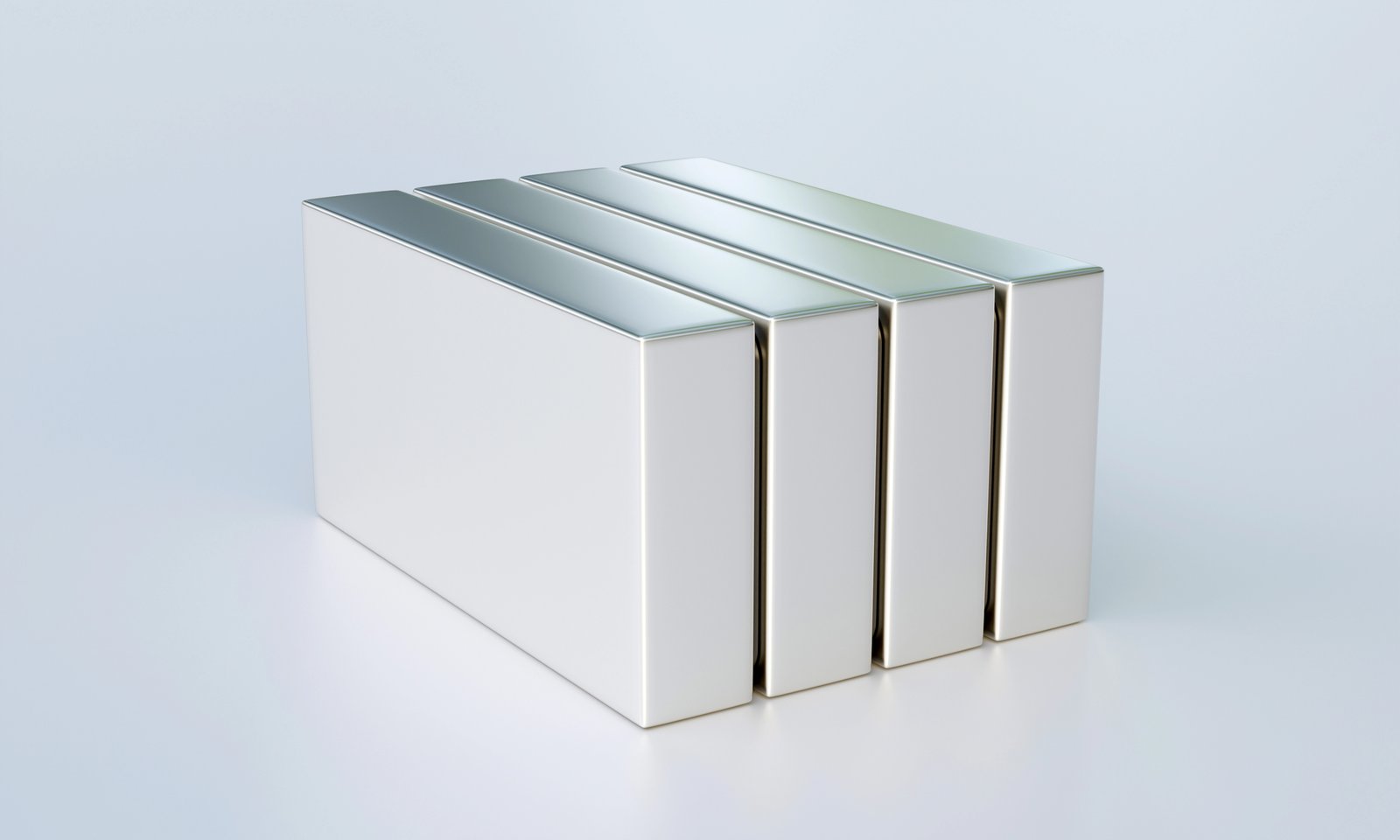 Clearly identified magnet shapesRecord block, ring, disc and segment magnets separately.›
 Quantity & conditionDocument the net weight, coating and contaminants.›
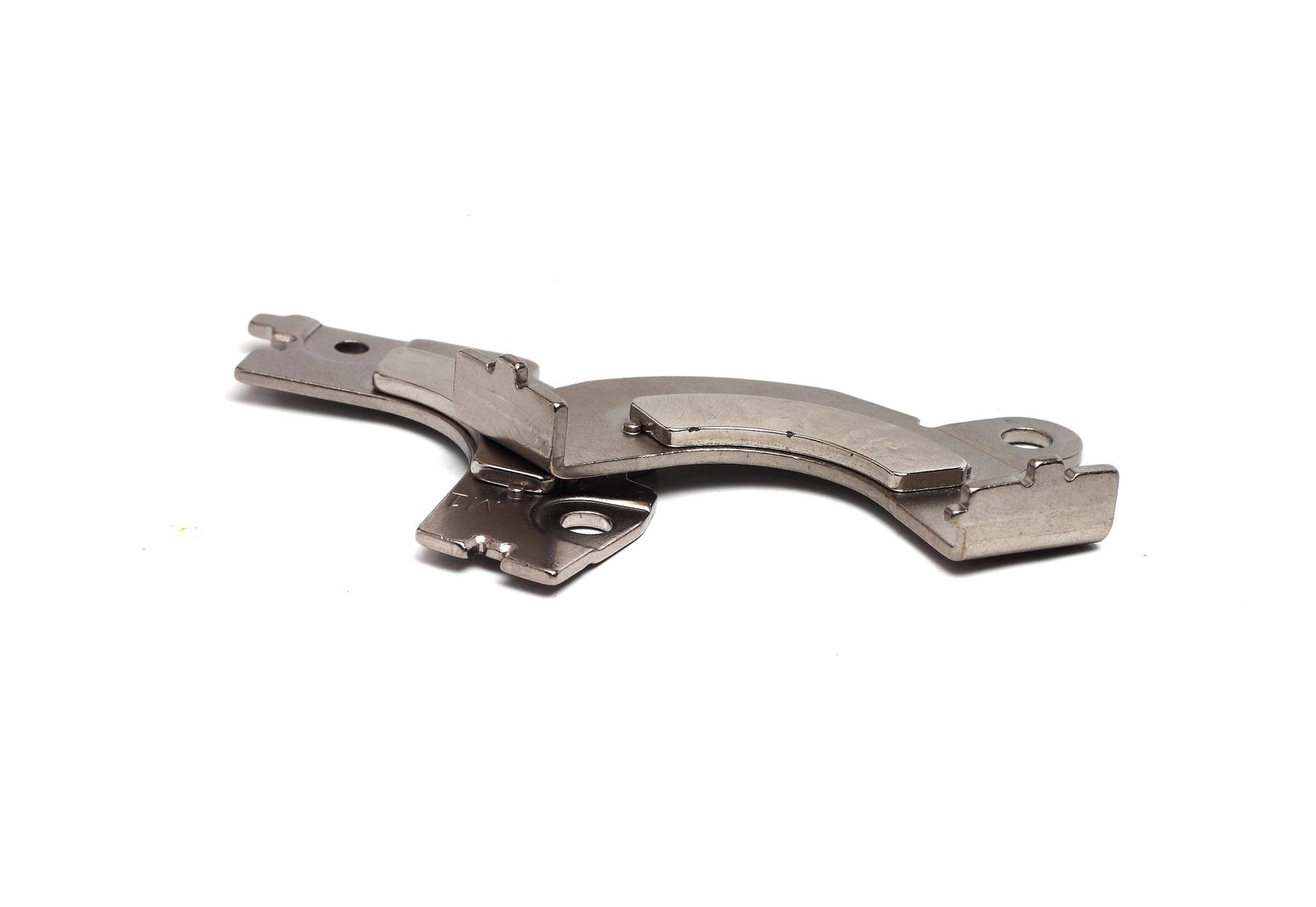 Technical applicationsThe original application and nameplate help with the initial assessment.›
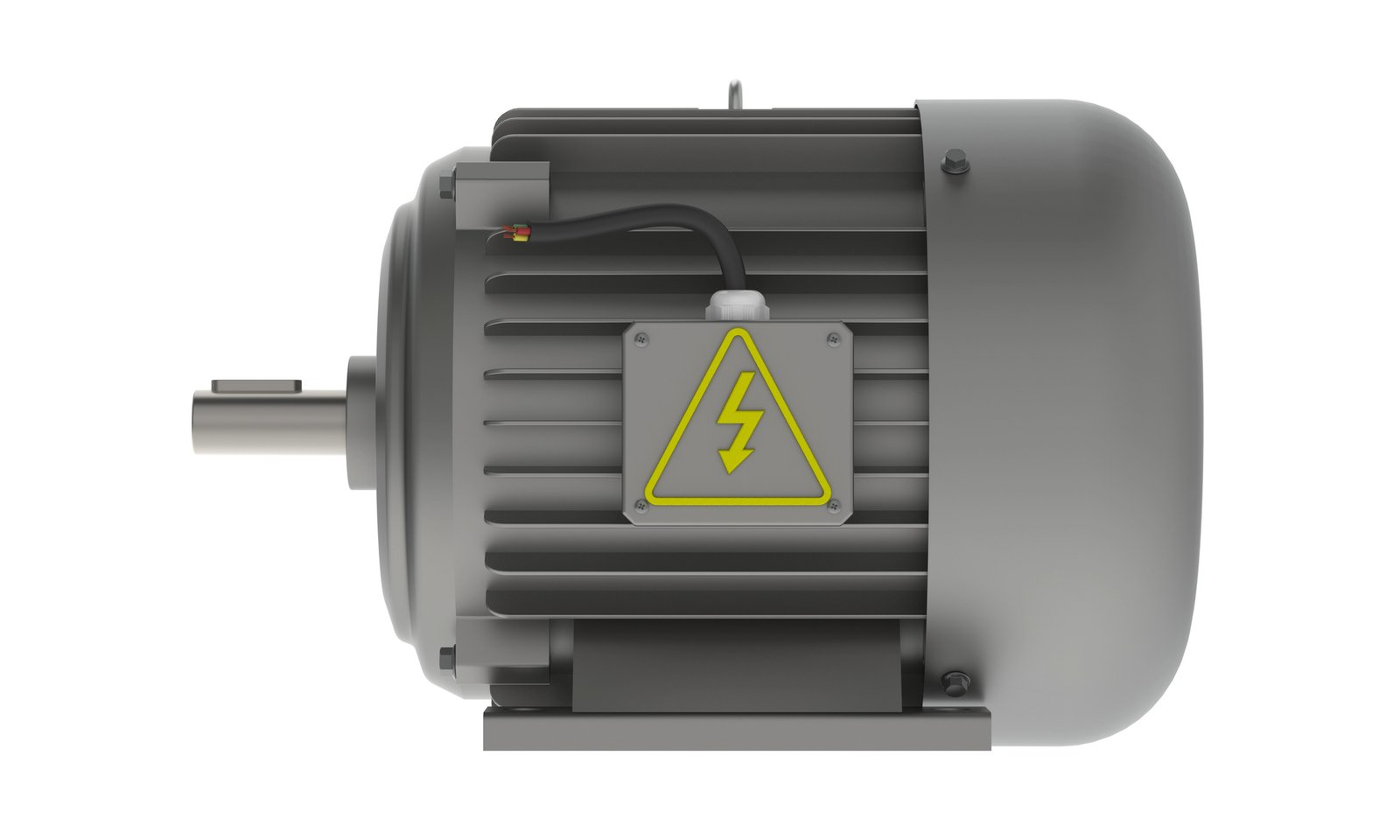 Industrial applicationsIdentify and describe motors, generators and production lots.›
Practical magnet guide · Component context
NdFeB magnets are used in numerous products. Even so, devices in the same industry do not necessarily contain the same magnet type, grade or proportion of rare-earth elements.
Component context
Applications can help locate a nameplate, bill of materials and dismantling route. They do not replace material identification.
Electric motors, generators and servo drives may contain permanent magnets; the motor design and material vary.
HDD voice-coil assemblies are a known source of magnets, but data security and dismantling must be considered separately.
Speakers, headphones and small actuators may contain magnets, often within complex assemblies.
Pump couplings, sensors, automation equipment and separators are possible sources with widely varying designs.
Do not publish fixed grades, magnet masses, Dy/Tb content or value categories for each application.
For material assessment
Enquiry in four steps
Record the material, form, condition, quantity and unit, country where the material is located and supporting documents.
Cross-check the stated material identity, batch, origin, parties, status and general processing route.
If required, agree the sample, method, costs, packaging and handover arrangements.
Only once a reliable basis has been established should the commercial terms, responsibilities and payment basis be documented.
Frequently asked questions
No. Motors may use different designs and magnet materials, or operate without permanent magnets.
Not as a general rule. Formulations and manufacturing processes vary; the application or temperature class does not establish a fixed content.
It is a clue to the material’s origin. Manufacturer data or suitable analysis is required for reliable identification.
Technical and legal sources
Time-sensitive legal, transport and market information should be checked directly against the linked primary sources before it is used in a specific case.
Related magnet topics
Other specialist areas
For more detailed information about selling, recycling, rare-earth materials and prices we pay, visit the relevant ES Metall specialist pages.