

Material system
NdFeB
Nd · Pr · Dy · Tb · Sm
Understand the role of rare earths in NdFeB and SmCo magnets
Learn what roles neodymium, praseodymium, dysprosium, terbium and samarium play in permanent magnets and what information is important for an enquiry.
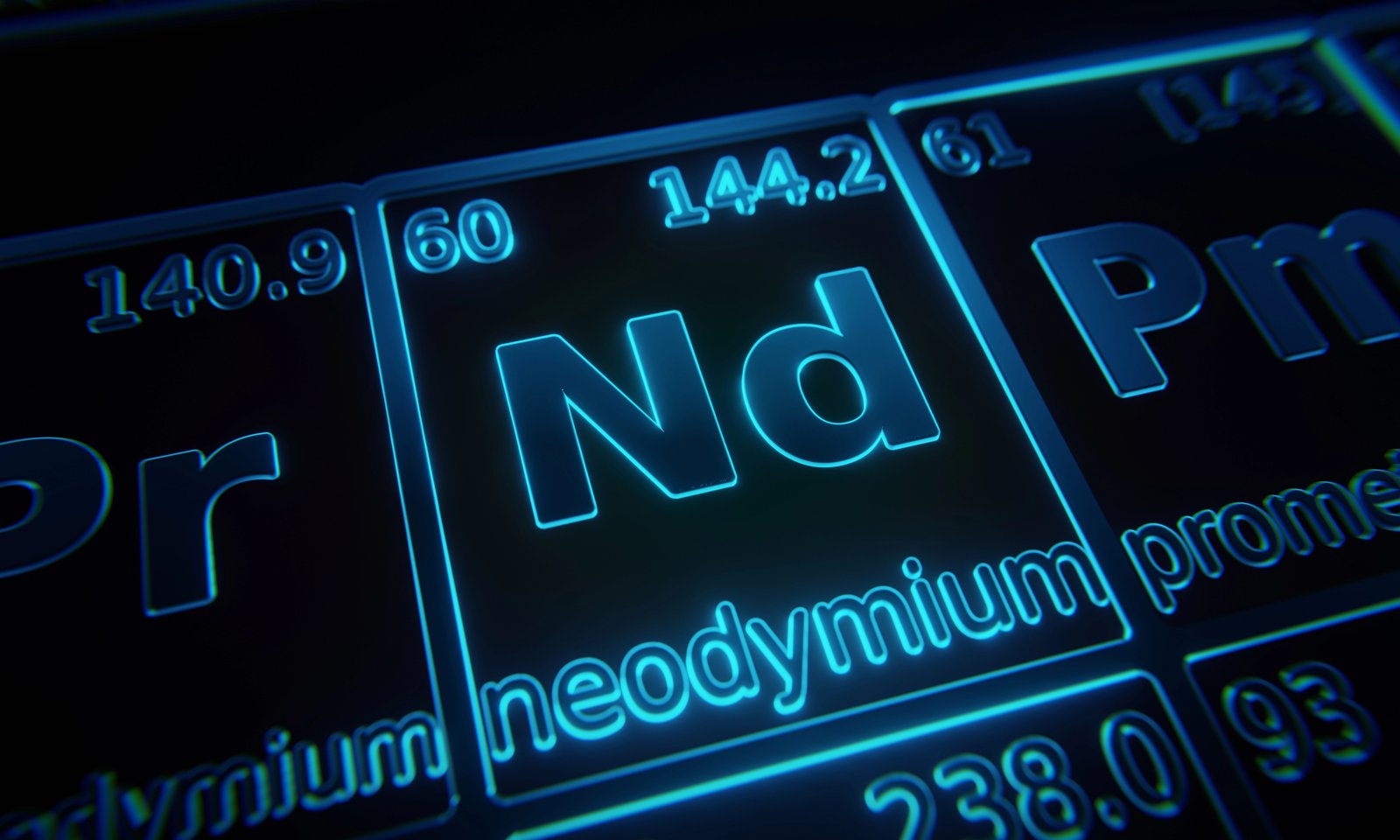 Start with the magnet materialDistinguish between NdFeB, SmCo, coatings and composite materials.›
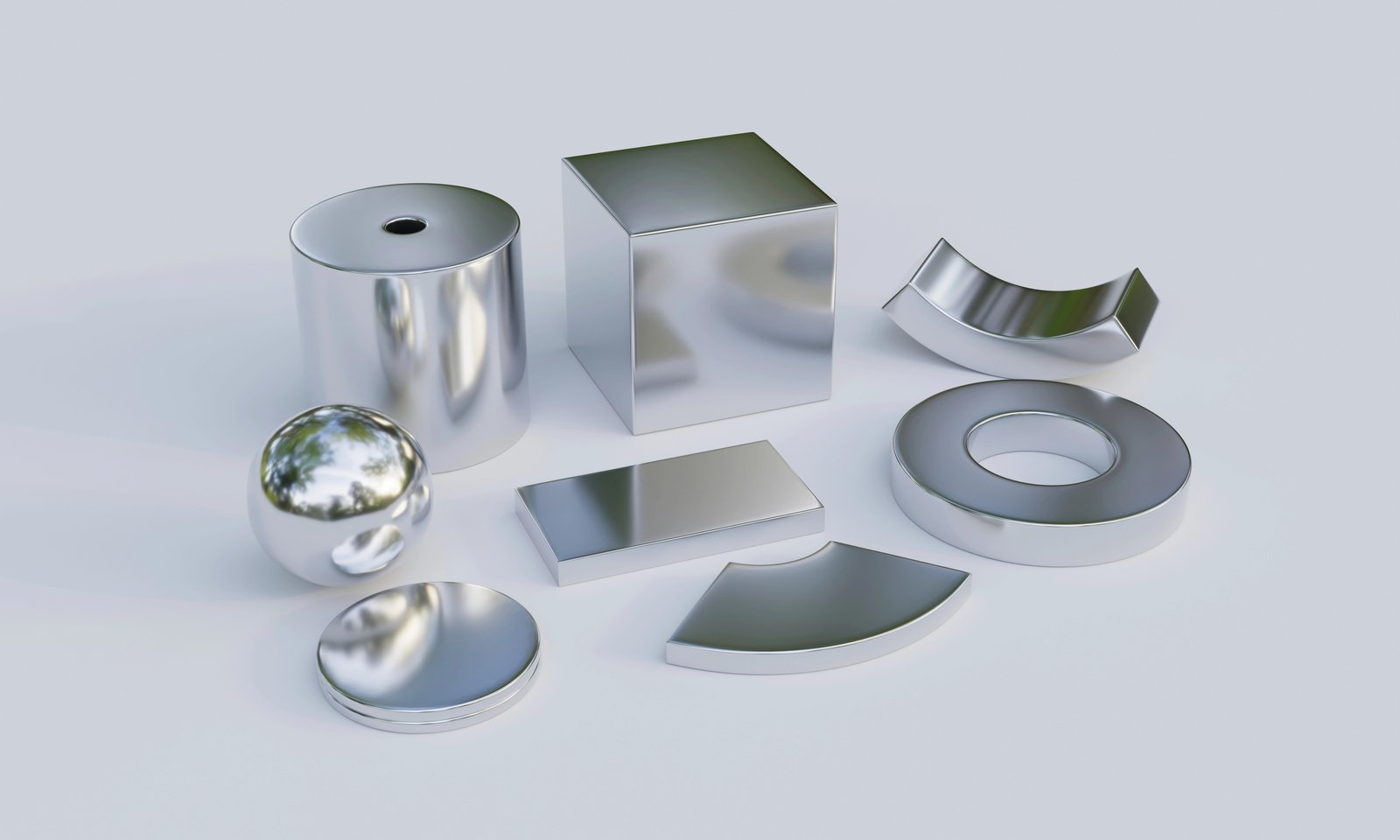 Five magnet elementsUnderstand Nd, Pr, Dy, Tb and Sm within the material system.›
 Identify the batchGather photographs, nameplate details, origin information and supporting documents.›
 Submit your lot for assessmentProvide the net magnet mass, shape and condition in sufficient detail for assessment.›
Nd · NdFeB
Neodymium, iron and boron form the eponymous hard-magnetic phase. For purchase assessment, however, the complete magnet remains a composite material rather than a lot of elemental neodymium.
Magnet function
A specific proportion cannot be inferred from appearance, application or magnet grade.
NdFeB
Neodymium, iron and boron form the eponymous hard-magnetic phase. For purchase assessment, however, the complete magnet remains a composite material rather than a lot of elemental neodymium.
Neodymium metal, neodymium oxide and complete NdFeB magnets are distinct material forms, each covered on a separate technical detail page.
Batch documents, manufacturer data or suitable analysis must relate to the specific lot.
Total magnet mass, assembly mass and the mass of the individual element are different quantities.
Form, source, condition, net magnet mass and possible recovery routes are assessed first.
Further information on the elements
The external technical link covers material forms, properties and element-specific enquiry routes.
Other specialist areas
For more detailed information about selling, recycling, rare-earth materials and prices we pay, visit the relevant ES Metall specialist pages.