

Documents & nameplate
Origin, manufacturer, model, batch and nominal material family.
Magnet shapes & materials
Classify neodymium magnets by shape, grade and condition
Record blocks, rings, discs, segments, assemblies and broken magnets separately, stating their origin, weight and condition.
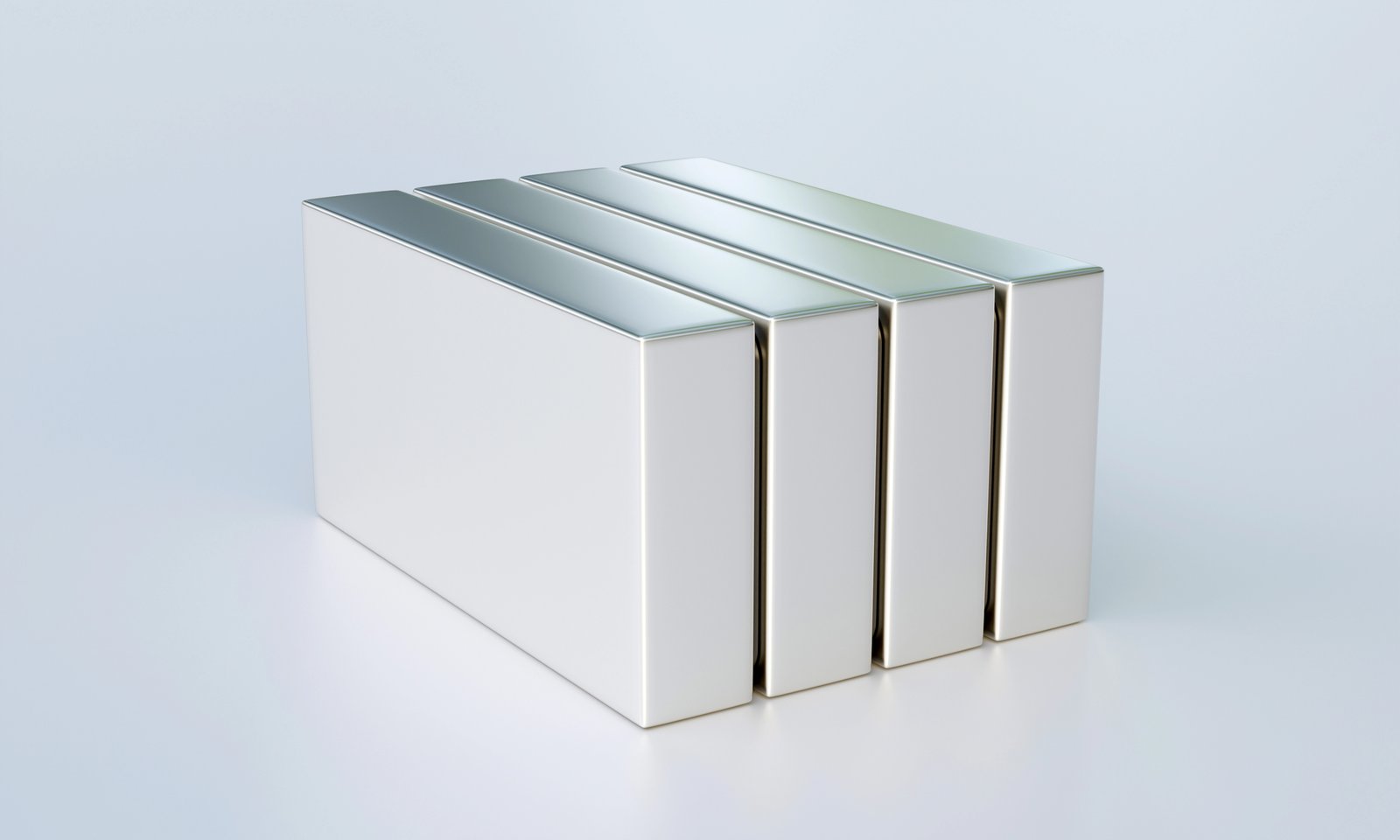 Clearly identified magnet shapesRecord block, ring, disc and segment magnets separately.›
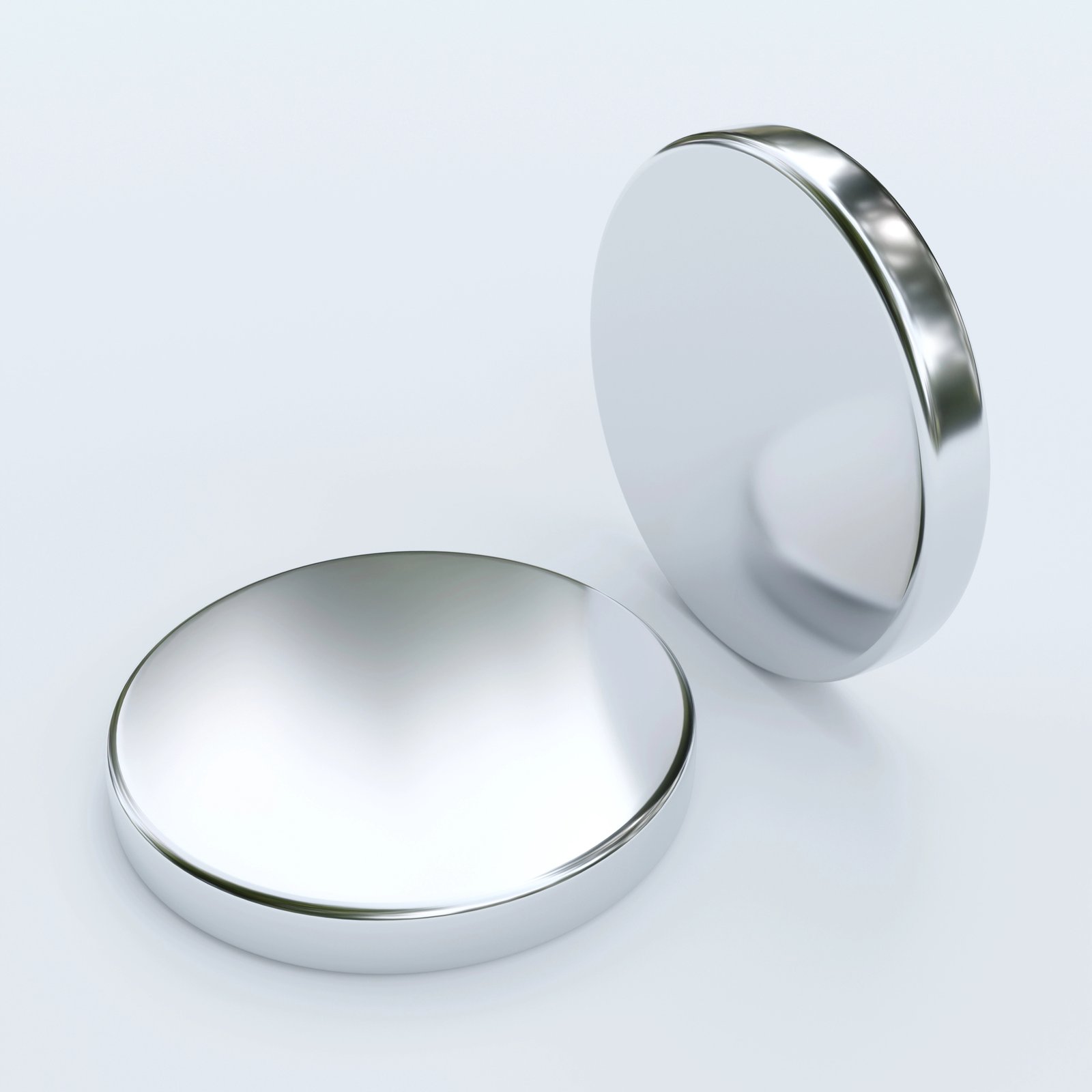 Quantity & conditionDocument the net weight, coating and contaminants.›
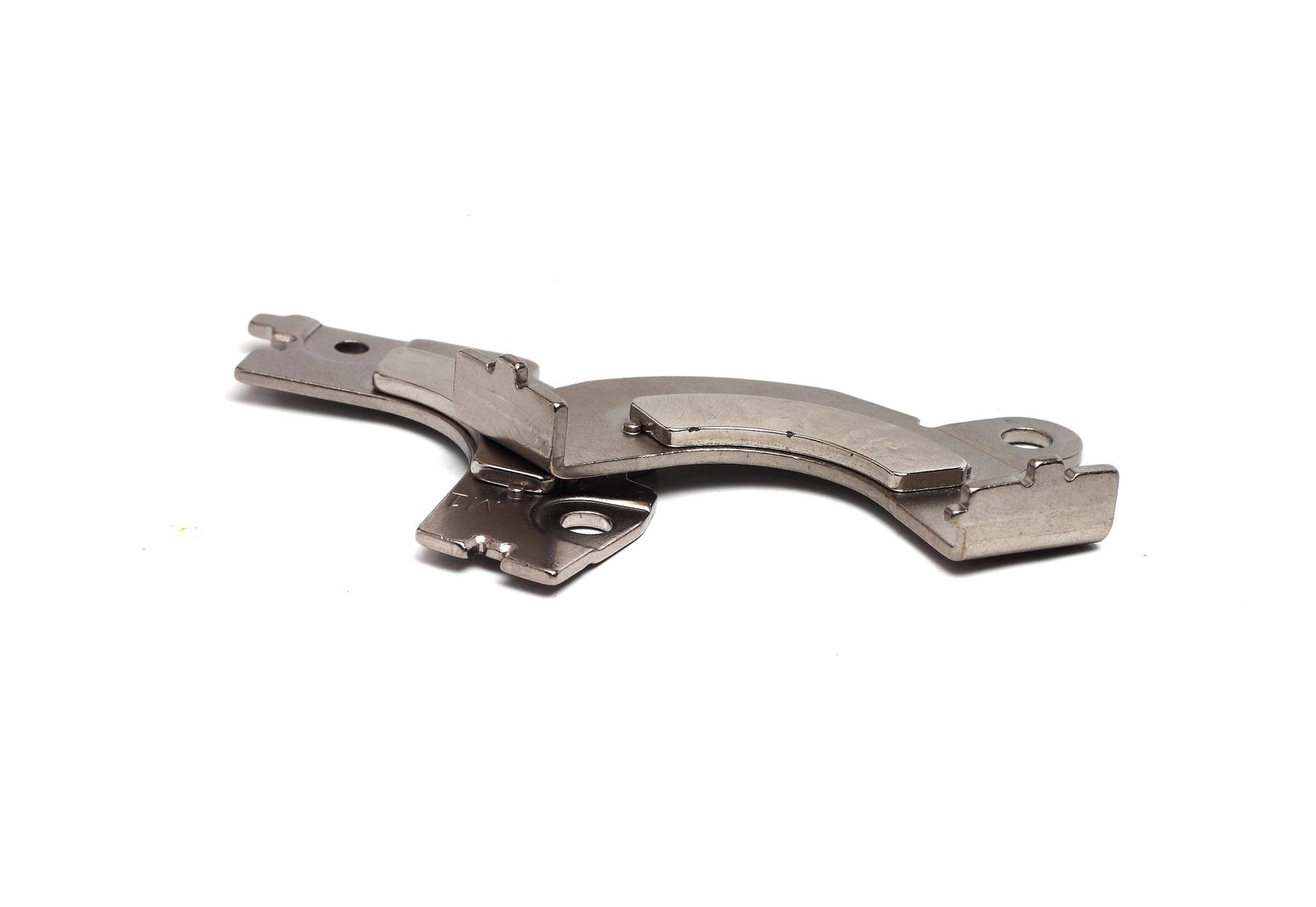 Technical applicationsThe original application and nameplate help with the initial assessment.›
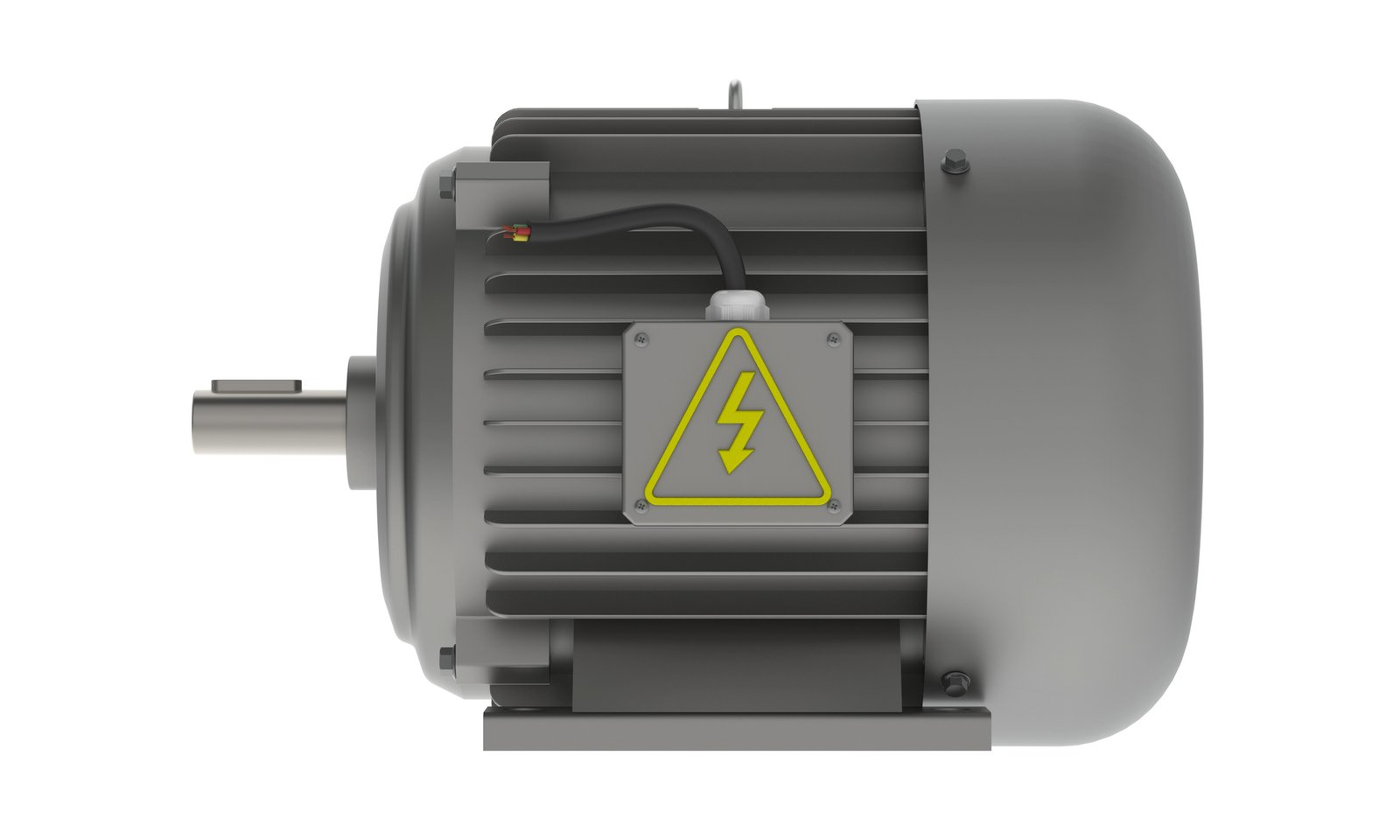 Industrial applicationsIdentify and describe motors, generators and production lots.›
Neodymium magnet grades
N35, N38, N42, N45, N50 and N52 denote nominal maximum-energy-product classes; H, SH, UH, EH and AH are separate intrinsic-coercivity-class suffixes associated with temperature capability. For purchase assessment, origin, design, condition, documentation and analysis appropriate to the question are also relevant.
Pre-sorting
| Material family | Typical indicators | Next step for reliable identification |
|---|---|---|
| NdFeB | usually silver-coloured coating; may have strong magnetic attraction | Documentation, origin and suitable analysis where required |
| SmCo | often dark grey; temperature-stable; brittle | Data sheet or component/batch documentation |
| Ferrite | usually dark grey to black; often larger in volume | Density, application and material specification |
| AlNiCo | metallic; often rod, horseshoe or cylindrical in shape | Manufacturer or component data |
| Bonded magnet | Plastic/rubber matrix, film or complex shape | Matrix and proportion of magnet powder |
| Unknown mixture | multiple shapes, coatings or attached materials | sort first; do not infer composition from magnetic attraction |
The N number and the suffix must be read separately: the N number denotes the nominal maximum-energy-product class, while suffixes such as H, SH, UH, EH and AH denote progressively higher intrinsic-coercivity classes associated with temperature capability. Neither defines the full chemical composition or proves a particular dysprosium or terbium content.
Test methods
Origin, manufacturer, model, batch and nominal material family.
Plausibility check and separation of visually distinct material families.
Main elements near the surface; coatings, geometry and calibration affect the result.
Quantitative bulk chemical analysis after representative sampling and digestion.
Crystalline phases, but not a complete elemental mass balance.
Local microstructure and distribution; not automatically representative of the entire lot.
Whether XRF, bulk chemical analysis or another method is appropriate depends on the material form, surface and specific question. Costs and sample preparation are therefore not stated as fixed values.
Other specialist areas
For more detailed information about selling, recycling, rare-earth materials and prices we pay, visit the relevant ES Metall specialist pages.